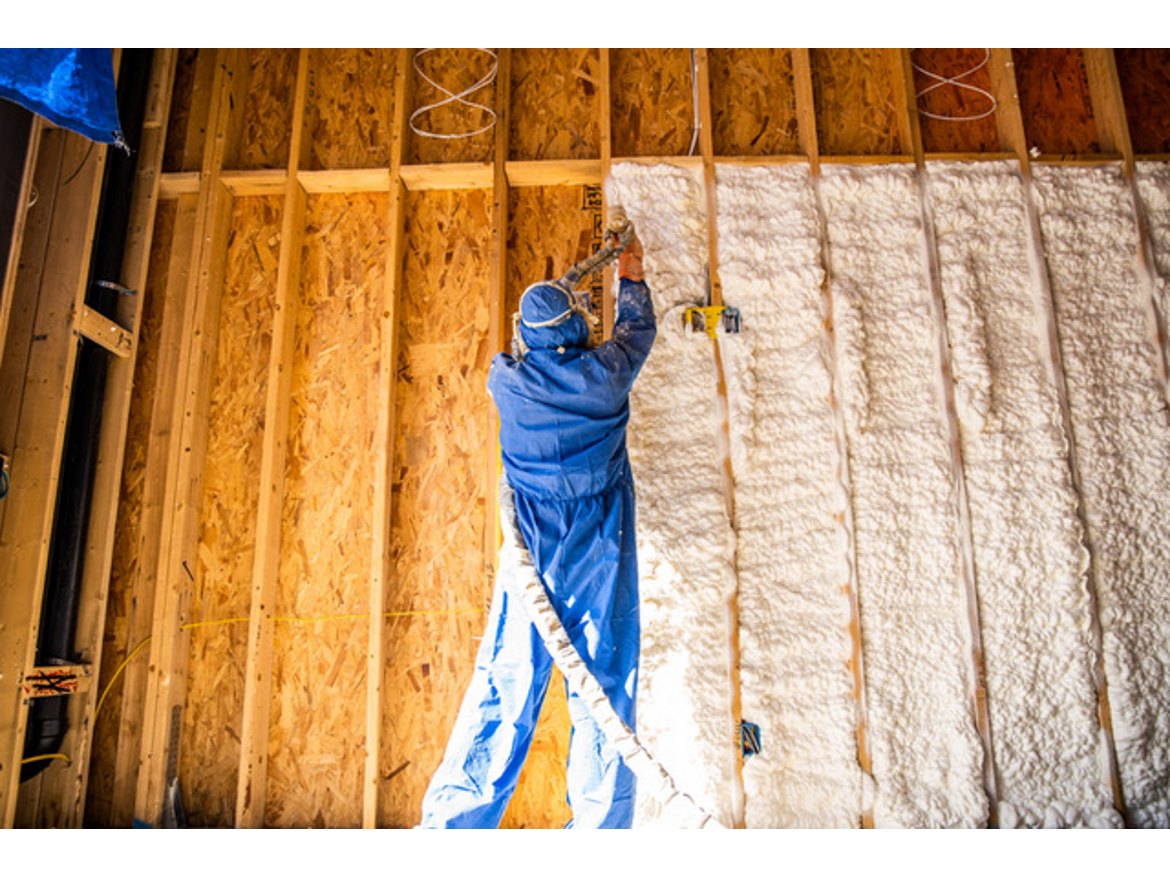
Proper home insulation is essential for maintaining energy efficiency, regulating indoor temperature, and reducing utility costs. However, many homeowners make critical mistakes when insulating their homes, leading to poor performance, higher energy bills, and even structural damage. Understanding these common insulation errors and how professional services can resolve them is crucial for long-term comfort and efficiency.
This guide explores common home insulation mistakes, their impact, and how expert insulation services can help homeowners in Seattle, WA, achieve optimal results.
Common Home Insulation Mistakes
1. Choosing the Wrong Type of Insulation
Not all insulation materials are suitable for every home or climate. Selecting the wrong type can result in inadequate thermal resistance, moisture problems, and increased energy costs.
Common Mistakes:
- Using fiberglass batts in areas prone to moisture, leading to mold growth.
- Installing rigid foam board insulation without proper ventilation, causing condensation issues.
- Using spray foam incorrectly, leading to gaps and inefficiencies.
How Professionals Help:
Insulation experts assess a home’s needs based on climate, building structure, and energy efficiency goals. They recommend the best insulation type, such as spray foam, cellulose, or rigid foam, ensuring maximum performance.
2. Poor Installation Techniques
Even the best insulation materials can fail if not installed correctly. Gaps, compression, and improper placement reduce effectiveness and lead to energy loss.
Common Mistakes:
- Leaving gaps or seams between insulation materials.
- Compressing insulation, reducing its R-value (thermal resistance).
- Not sealing air leaks before installing insulation.
How Professionals Help:
Experienced insulation contractors ensure proper installation by sealing air leaks, using advanced application techniques, and verifying uniform coverage. This maximizes energy savings and enhances indoor comfort.
3. Ignoring Air Sealing
Many homeowners focus solely on insulation while neglecting air sealing, which is essential for preventing drafts and moisture infiltration.
Common Mistakes:
- Failing to seal gaps around windows, doors, and electrical outlets.
- Not addressing air leaks in attics and crawl spaces.
- Using insulation alone to block air movement instead of applying proper air-sealing techniques.
How Professionals Help:
Experts use high-quality sealants and weatherstripping to eliminate air leaks before installing insulation. This ensures better energy efficiency and prevents moisture-related issues.
4. Overlooking Ventilation Needs
While insulation helps regulate indoor temperatures, inadequate ventilation can trap moisture and lead to structural damage and poor indoor air quality.
Common Mistakes:
- Blocking soffit vents with insulation.
- Failing to install proper attic ventilation.
- Ignoring the role of vapor barriers in moisture control.
How Professionals Help:
Insulation specialists incorporate ventilation solutions into their installations, ensuring a balanced system that prevents condensation, mold, and structural decay.
5. Under-Insulating Key Areas
Certain areas of a home require more insulation than others, but DIY projects often overlook these critical spots.
Common Mistakes:
- Insufficient insulation in attics, basements, and crawl spaces.
- Skipping insulation on exterior walls.
- Not insulating ductwork, leading to energy loss.
How Professionals Help:
Professionals perform a thorough home assessment to determine under-insulated areas and apply the necessary materials to achieve consistent thermal performance.
6. Using Low-Quality or Outdated Materials
Insulation technology has advanced significantly, and using outdated or inferior materials can result in poor performance and health risks.
Common Mistakes:
- Installing old, degraded insulation without checking for effectiveness.
- Using materials that contain harmful chemicals or allergens.
- Choosing cheaper insulation options that lack durability.
How Professionals Help:
Experts use modern, high-performance insulation materials such as spray foam, which offers superior air sealing, energy efficiency, and durability.
Benefits of Hiring Professional Insulation Services
1. Improved Energy Efficiency
Professionals ensure a complete and effective insulation system that reduces energy loss, lowers heating and cooling costs, and improves indoor comfort.
2. Enhanced Indoor Air Quality
Proper insulation and air sealing prevent allergens, mold, and pollutants from entering a home, contributing to healthier indoor air quality.
3. Moisture and Mold Prevention
Professionals implement moisture control measures, including vapor barriers and proper ventilation, to prevent mold growth and structural damage.
4. Long-Term Cost Savings
While DIY insulation may seem cost-effective, poor installation leads to higher energy bills and repair costs. Hiring experts ensures long-lasting performance and savings.
5. Compliance with Building Codes
Professional insulation contractors ensure installations meet local building codes and energy-efficiency standards, avoiding potential legal or safety issues.
Frequently Asked Questions (FAQs)
1. How much does home insulation cost in Seattle, WA?
The cost of insulation varies based on the type of material used, home size, and labor costs. On average, homeowners can expect to pay between $1,500 and $5,000 for a professional insulation upgrade.
2. What type of insulation is best for Seattle’s climate?
Seattle’s climate requires insulation that offers moisture resistance and high thermal performance. Spray foam and rigid foam board are popular choices due to their superior air-sealing properties.
3. Can I install insulation myself, or should I hire a professional?
While DIY insulation is possible, improper installation can lead to inefficiencies and higher costs in the long run. Professional services ensure optimal performance and adherence to building codes.
4. How long does insulation last?
The lifespan of insulation depends on the material used. Spray foam can last over 30 years, while fiberglass batts may need replacement after 15-20 years.
5. What are the signs that my home needs new insulation?
Common signs include high energy bills, uneven indoor temperatures, drafts, and excessive moisture or mold growth in walls or ceilings.
6. How does insulation affect home resale value?
A well-insulated home is more energy-efficient, making it attractive to buyers and increasing its resale value.
7. Can adding more insulation lower my heating and cooling bills?
Yes, proper insulation significantly reduces heat loss in winter and keeps cool air inside during summer, lowering energy bills year-round.
8. Is spray foam insulation safe?
When installed by professionals, spray foam insulation is safe and provides excellent energy efficiency. It should be applied with proper ventilation and curing time.
9. How long does professional insulation installation take?
The installation process depends on the project size. A typical home insulation job can take one to three days.
10. Does insulation help with noise reduction?
Yes, certain insulation materials, like spray foam and cellulose, help absorb sound and reduce noise transmission between rooms.
Conclusion
Home insulation plays a crucial role in maintaining energy efficiency, indoor comfort, and structural integrity. Avoiding common insulation mistakes ensures long-term performance and cost savings. Hiring professional services guarantees correct installation, optimal material selection, and compliance with local regulations.
For homeowners in Seattle, WA, seeking expert insulation solutions, Cascadia Spray Foam of Seattle offers high-quality services tailored to local climate needs.
Contact Cascadia Spray Foam of Seattle Today
To enhance home insulation and energy efficiency, contact Cascadia Spray Foam of Seattle at (425) 386-3500 for consultation and professional installation services.