
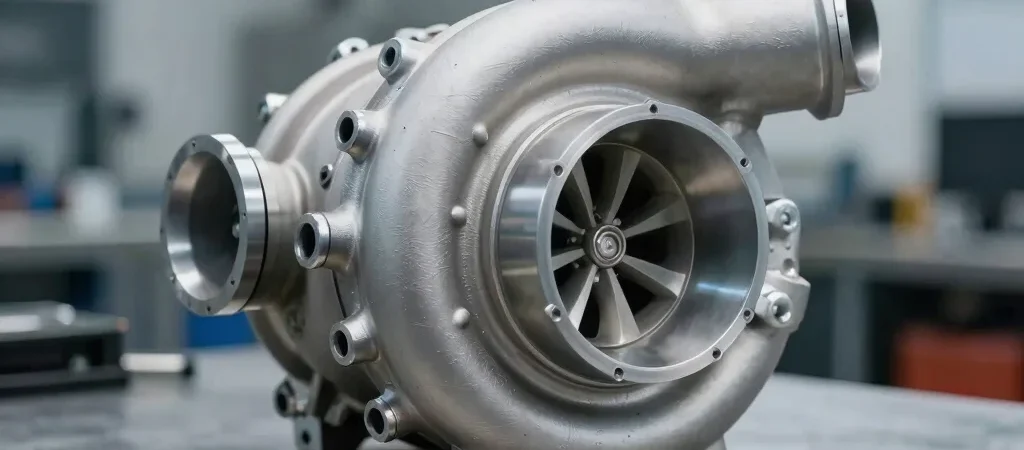
Direct injection and forced induction have reshaped modern engine architecture over the past decade. While small-displacement turbocharged engines produce remarkable horsepower and highway fuel economy, the thermal loads imposed on internal components require deliberate long-term maintenance habits.
Thermal Stress and Oil Degradation
Turbochargers operate at rotational speeds exceeding one hundred thousand revolutions per minute while exposed to scorching exhaust gases. This severe thermal environment accelerates engine oil breakdown through oxidation and thermal coking, especially if the engine is shut off immediately after high-load driving.
Valve Deposit Accumulation in Direct Injection Systems
Unlike traditional port-injection engines where fuel washes over the intake valves, direct-injection engines spray fuel straight into the combustion chamber. Over thousands of miles, oil vapors from the crankcase ventilation system settle on cold intake valve stems, forming carbon crusts that gradually restrict airflow.
Maintenance Strategies for Long-Term Durability
Preserving a turbocharged powertrain requires adhering strictly to shortened oil change intervals using full synthetic oils rated for high-temperature shear stability. Allowing the engine to idle for thirty seconds prior to shutoff also permits circulating oil to cool the center housing bearings.