
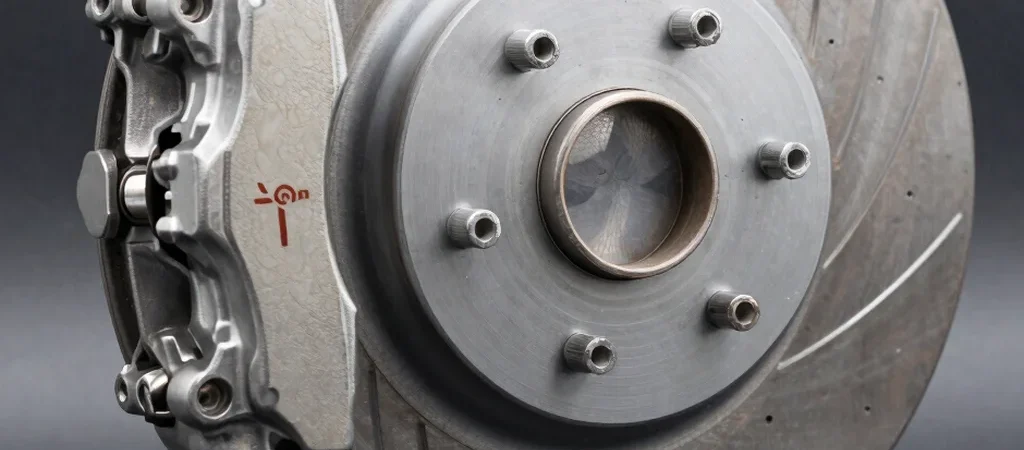
Hydraulic brake systems rely on incompressible fluid to transfer force from the pedal to the wheel calipers with absolute precision. Because conventional glycol-based brake fluids are hygroscopic, they continuously draw moisture through microscopic pores in rubber brake hoses and master cylinder seals.
The Risks of Water Contamination
As water content in brake fluid approaches three percent by volume, the fluid boiling point drops by over one hundred degrees Fahrenheit. Under heavy downhill braking or emergency stops, localized heat can vaporize contaminated fluid, creating compressible air bubbles that lead to a soft pedal.
Testing Moisture Levels Accurately
Relying solely on fluid color can be misleading, as darkening fluid often indicates rubber hose wear rather than water absorption. Automotive technicians utilize electronic conductivity probes or boiling-point refractometers to measure precise moisture percentage before recommending a fluid flush.
Flush Intervals and Fluid Standards
Flushing brake fluid every two years or twenty-four thousand miles prevents internal corrosion of costly anti-lock braking system pumps and caliper pistons. Choosing the correct specification, such as DOT 4 or low-viscosity DOT 5.1, ensures optimal hydraulic response across extreme operating temperatures.