
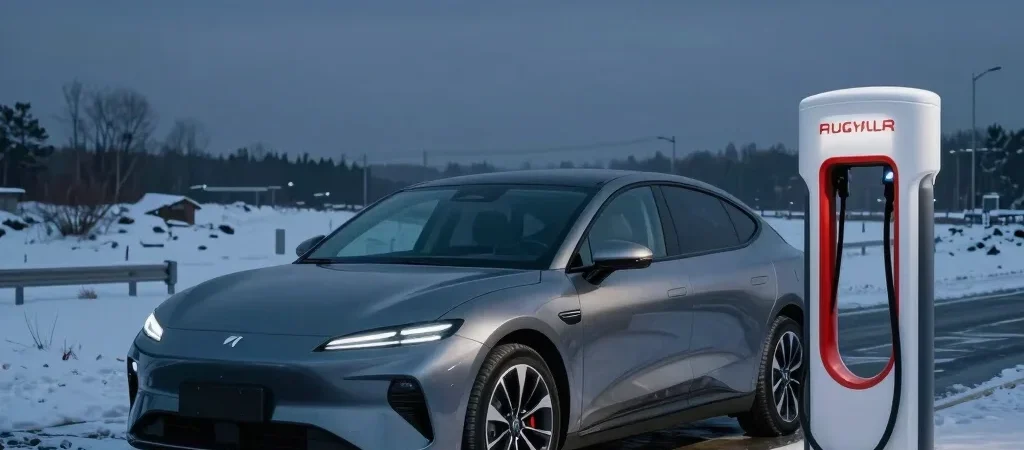
Winter highway driving places dual pressures on battery-electric vehicles by degrading electrochemical efficiency while simultaneously demanding energy for cabin climate control. Measuring true energy consumption in sub-freezing conditions reveals how vehicle thermal management systems balance cabin comfort against driving radius.
Lithium Chemistry in Sub-Zero Conditions
As ambient temperatures drop below freezing, internal resistance within lithium-ion cells increases, slowing the chemical reaction required to discharge energy efficiently. This dynamic temporarily reduces total available battery capacity and caps regenerative braking power until internal thermal packs reach operating temperature.
Cabin Heating Load and Energy Consumption
Resistive heating units consume substantial power directly from the main high-voltage traction pack during initial cabin warm-up cycles. Vehicles equipped with heat pump systems mitigate this draw significantly by extracting ambient heat from external air and drivetrain electronics.
Optimizing Winter Driving Efficiency
Preconditioning the battery and cabin while connected to a grid charger remains the single most effective technique for maximizing cold-weather range. Setting scheduled departure times allows the vehicle to draw shore power for thermal management, preserving initial state-of-charge for the road ahead.