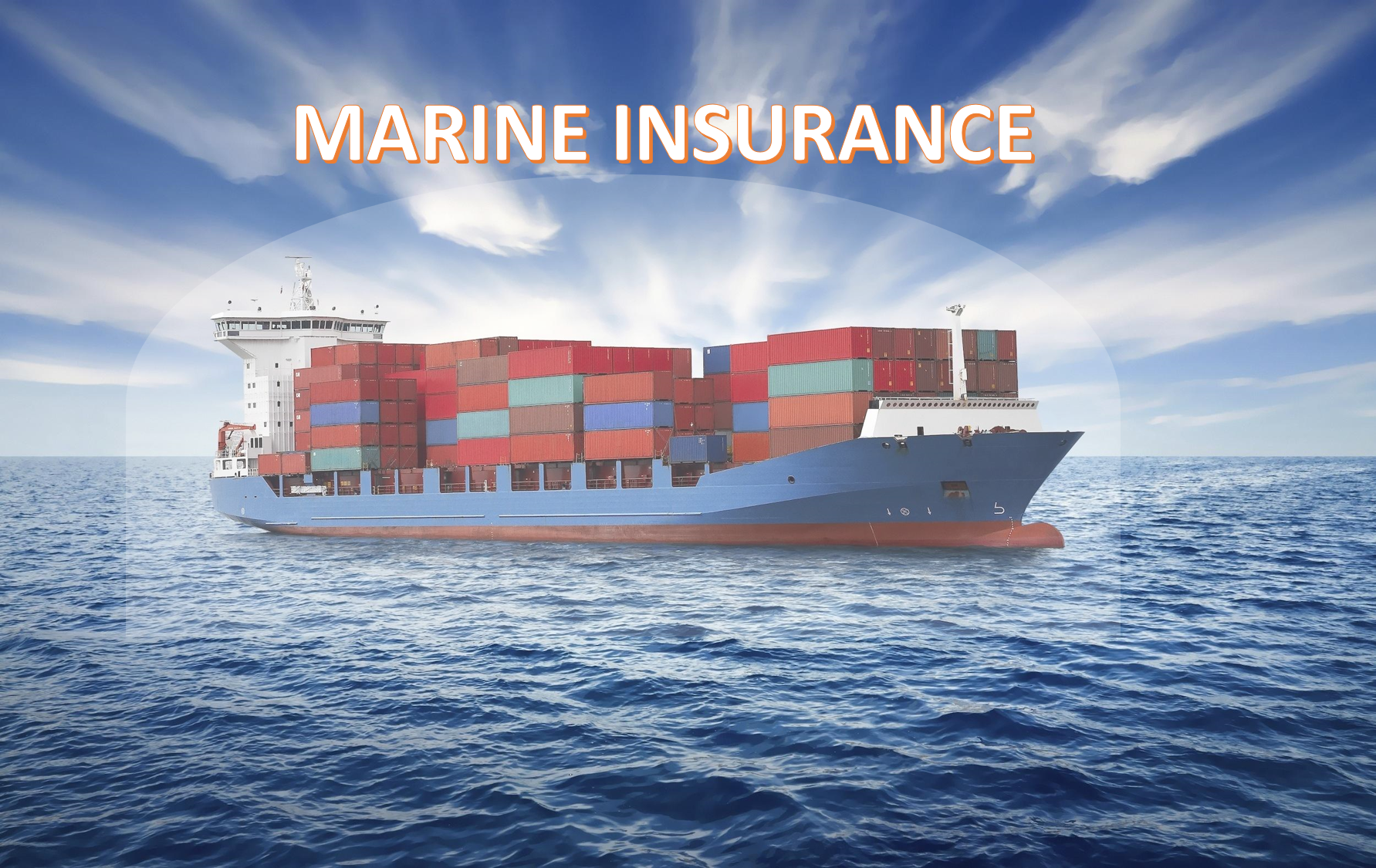
Marine insurance is a crucial form of coverage that protects against financial losses from transporting goods or passengers by sea. Its primary purpose is to safeguard vessels, cargo, freight, and other maritime interests from risks associated with shipping. Understanding the key specifications of a marine insurance policy helps businesses and individuals make informed decisions to secure their assets effectively.
Types of Marine Insurance Policies
Marine insurance policies cater to various needs, and the type of coverage determines the scope and limitations of protection.
Hull Insurance:
Covers physical damage to the ship or vessel caused by accidents, collisions, or natural disasters. Shipowners primarily take it.
Cargo Insurance:
Provides coverage for goods or merchandise transported by sea against risks such as theft, damage, or loss during transit.
Freight Insurance:
Protects the freight charges a shipowner or operator is entitled to, ensuring compensation in case of non-delivery or cargo damage.
Liability Insurance:
It covers liabilities incurred by the shipowner due to damage caused by a third party, such as collisions or environmental pollution.
Scope of Coverage
Marine insurance policies typically cover the following risks:
Natural Disasters:
Protection against losses caused by storms, tsunamis, or earthquakes.
Accidents and Collisions:
Covers damage resulting from collisions with other vessels or objects.
Theft and Piracy:
Provides financial protection in cases of cargo theft or piracy during transit.
Fire and Explosion:
Safeguards against damage caused by onboard fires or explosions.
Loading and Unloading Risks:
These include losses incurred during the loading or unloading of cargo.
General Average:
Covers the contribution shipowners or cargo owners must make when cargo is sacrificed to save the ship during emergencies.
Exclusions in Marine Insurance
While marine insurance offers broad coverage, certain situations are excluded from policies:
Willful Misconduct:
Losses caused by intentional negligence or illegal acts.
Inherent Vice:
Damage from the natural deterioration of goods, such as spoilage or rust.
War Risks:
Losses due to war, strikes, or political unrest, unless specifically covered by a separate war risk policy.
Unseaworthiness:
Claims arising from operating an unfit or improperly maintained vessel.
Nuclear Damage:
Losses caused by nuclear or radioactive contamination.
Policy Clauses
Marine insurance policies include several essential clauses that define their terms and conditions:
Valuation Clause:
This clause determines the agreed value of the insured goods or vessel, establishing the basis for claim settlement.
Sue and Labor Clause:
This clause obliges the insured to take reasonable steps to prevent or minimise losses, with the insurer reimbursing the costs.
Warehouse to Warehouse Clause:
Extends coverage from the point of origin to the destination, including inland transit.
Institute Cargo Clauses (A, B, C):
Standardised clauses specifying coverage levels:
- Clause A: Provides all-risk coverage.
- Clause B: Covers titled risks, such as fire and accident.
- Clause C: Offers partial coverage for elementary hazards.
Policy Endorsements
Endorsements are additional provisions that modify the original terms of the marine insurance policy. Common endorsements include:
Increased Value Clause:
Provides additional coverage if the value of the insured goods increases during transit.
Deviation Clause:
This clause extends coverage for losses incurred when a vessel deviates from its planned route for unavoidable reasons.
Contingency Insurance:
Offers protection to buyers or sellers if the other party’s insurance policy is invalid.
Premium Determination
Nature and Value of Goods:
High-value or perishable items attract higher premiums.
Type of Vessel:
Older or less seaworthy ships may result in increased premium rates.
Voyage Details:
The route, distance, and destination influence risk levels and premiums.
Shipping Conditions:
Adverse weather, piracy-prone areas, or political instability increase risk and cost.
Coverage Scope:
Comprehensive policies or additional endorsements may result in higher premiums.
Claim Settlement Process
The claim settlement process in marine insurance involves the following steps:
Notice of Loss:
The insured must notify the insurer immediately upon discovering a loss or damage.
Survey and Documentation:
A surveyor assesses the extent of the loss, and the insured provides necessary documentation, including the policy, shipping invoices, and a loss statement.
Claim Evaluation:
The insurer evaluates the claim based on the policy terms and the surveyor’s report.
Compensation Payment:
Once the claim is approved, the insurer compensates the insured up to the policy’s agreed value.
Importance of Marine Insurance
Risk Mitigation:
Shields against unforeseen losses caused by natural disasters, accidents, or theft.
Compliance with Trade Laws:
Many countries and shipping agreements require marine insurance for legal compliance.
Business Continuity:
Ensures uninterrupted operations by providing financial support in the event of loss or damage.
Peace of Mind:
Offers assurance to stakeholders, including shipowners, exporters, and importers.
Final Thoughts:
By understanding its key specifications, businesses and individuals can choose the right policy to protect their assets and operations effectively. Leveraging innovative technology, Cometinsure ensures a seamless user experience through online tools and personalised customer support.