No matter how small, a garden can be a peaceful and beautiful space. Although a large garden with a gorgeous design may seem ideal, small gardens can be just as attractive and useful. With good planning, Even the smallest space can be a lovely throwback look that reflects your design and creativity whether you have a small balcony, a narrow yard, or a cozy backyard. There are many ways to make a small garden more exciting. Here are some ideas to help you get started.
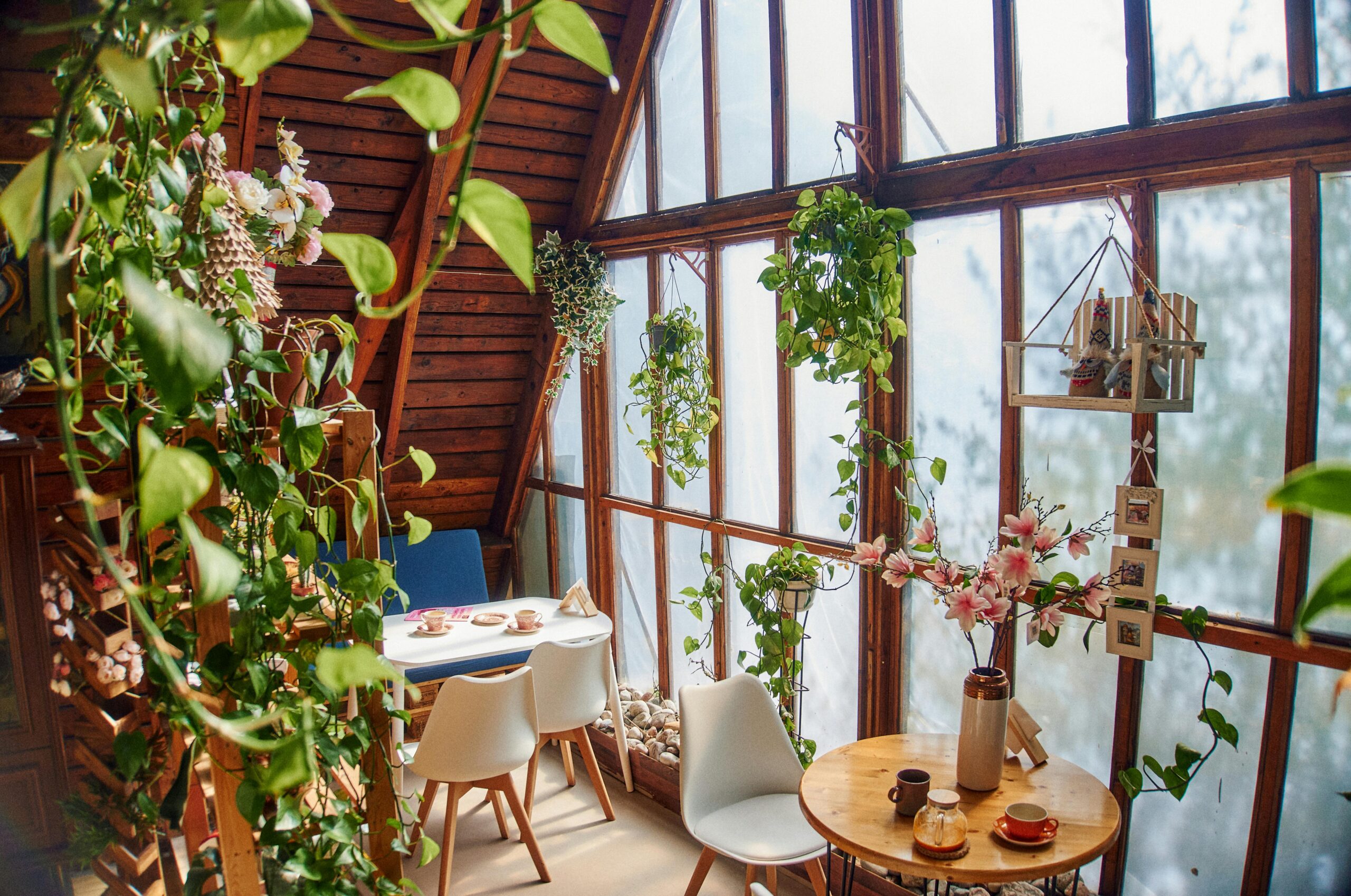
1. Tiny Flower Beds with Colorful Blooms:
Tiny flower beds filled with colorful blooms can bring vibrant beauty to any small garden. Focus on choosing flowers that grow in your local climate. You can mix perennials like lavender, geranium, and hosta with seasonal flowers like petunias or pansies for seasonal variety.
2. Vertical gardens: Maximize your vertical space:
Vertical gardens are a great way to maximize limited space, especially in small gardens. Tall gardens have become a popular trend because they allow gardeners to grow plants without taking up valuable space. You can arrange trellises and shelves.
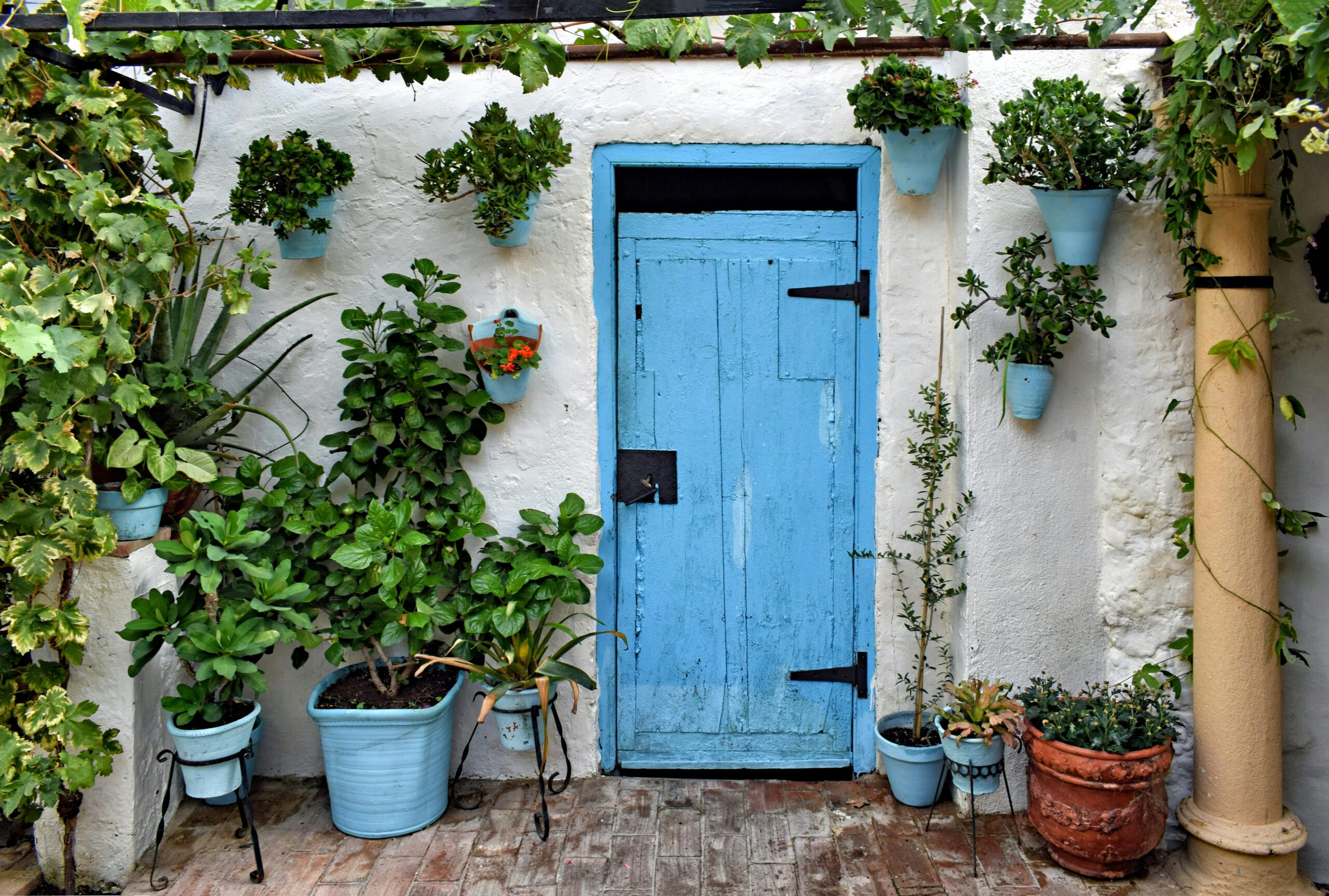
Or use wall-mounted pots to grow climbing plants such as ivy, peas, or flowering vines. This design works especially well in urban environments. Which you want to counterbalance with the greenery of the surrounding concrete.
3. LED grow lights for healthy plants all year round:
For those with limited natural light, LED grow lights can make all the difference. These lights imitate sunlight and are a great solution for indoor gardens or areas that lack natural light. There are many styles to choose from. Provides the perfect spectrum for healthy plant growth. Even in the darkest corners of your home, LED grow lights are energy efficient and provide the light your plants need to thrive no matter the season.
4. Zen-Inspired Gardens for Relaxation:
Small gardens can also be designed to provide a serene, calming atmosphere, perfect for unwinding after a busy day. A Zen-inspired garden can be created with minimal plants and a focus on natural elements such as rocks, sand, and water features. Incorporate minimalist plants, like bamboo, succulents, or ornamental grasses, that add texture without overwhelming the space. A Zen garden is ideal for small spaces, as it invites peaceful reflection and meditative qualities, creating a tranquil retreat right at your doorstep.
5. Use of Mirrors and Reflective Surfaces:
Mirrors and reflective surfaces can give the illusion of a larger garden. Placing a mirror on one wall or incorporating shiny objects like metal sculptures can help bounce light around and visually expand the space. This is a great trick for small urban gardens, where space can feel cramped. It also plays on the concept of depth, making the garden appear more expansive than it truly is.
When using mirrors in the garden, it’s important to consider the location carefully—mirrors positioned to reflect greenery or flowers can create a stunning effect. However, they should be placed in a way that doesn’t reflect too much sunlight, as this could be distracting or cause glare.
6. Container Gardens for Flexibility:
If you don’t want to commit to a single design, container gardening offers the ultimate flexibility. With pots, planters, and containers of all shapes and sizes, you can create a dynamic and ever-changing garden that can be rearranged as needed. Use different materials for containers, such as ceramic, and terracotta, and even repurposed items like wooden crates or old wheelbarrows, to give your small garden personality and charm.
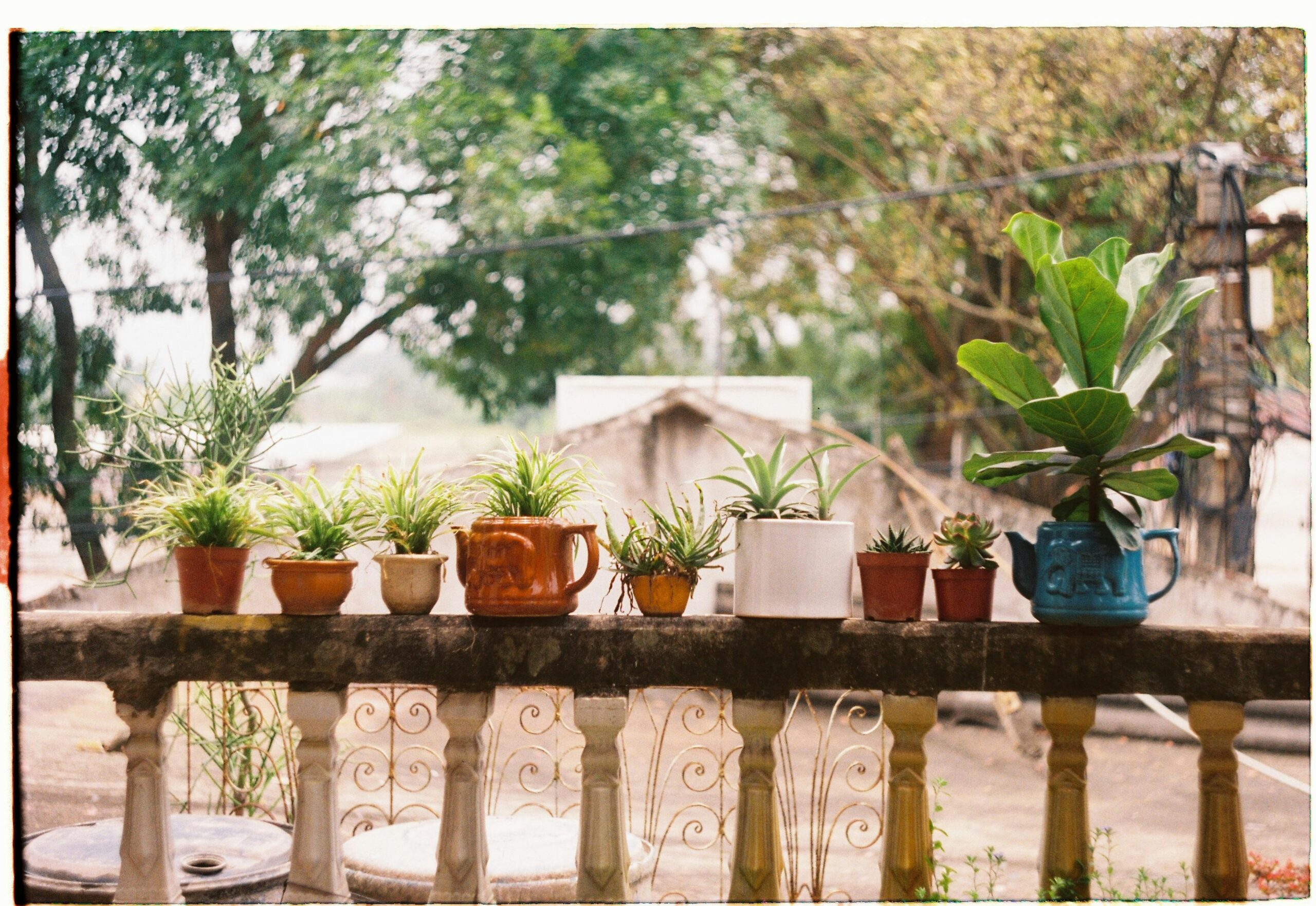
Container gardens are particularly great for homes with little soil space or for renters who may not be able to plant directly into the ground. You can plant anything from herbs and vegetables to ornamental plants, adding both beauty and functionality to your space.
7. Paving and Pathways for Structured Design:
Adding a path or paving to your small garden not only creates visual interest but also helps to structure the space. Whether you prefer smooth flagstones, gravel, or brick, pathways give the garden a sense of direction and organization. You can choose to have the pathway wind through the space, making it feel more expansive, or have it follow a straight line for a more formal look.
A well-placed path can also lead to focal points like a small seating area or a beautiful flower bed, giving the space a sense of purpose and flow. Complement your pathways with low-growing plants like thyme or moss that will soften the edges and add texture.
Conclusion
Small garden designs are all about making the most of limited space and finding creative ways to maximize every square inch. From vertical gardening to container designs and edible spaces, there are endless possibilities for transforming a small garden into an inspiring and functional retreat. If you spend a lot of time gardening indoors, you can use grow room glasses to protect your eyes. With careful planning, a thoughtful selection of plants, and an eye for design, even the tiniest of gardens can become a beautiful and welcoming space that adds value to your home and enriches your lifestyle.