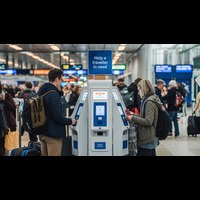
Education is the cornerstone of progress, yet millions of children in developing nations lack access to even the most basic schooling. Rural areas often suffer the most, where poverty, lack of infrastructure, and limited resources create barriers that seem insurmountable. Addressing this crisis requires innovative approaches, and one such solution is the implementation of donation kiosk machines. These technological tools are bridging the gap between urban donors and rural communities, making it easier than ever to contribute to building schools and empowering young minds.
The Urgency of Education in Rural Areas
Rural communities in developing nations often face severe educational challenges. Many villages lack schools altogether, and where schools exist, they are frequently understaffed, poorly equipped, and in dilapidated conditions. Children walk miles to attend classes, only to sit on the ground due to the lack of desks or chairs. Without proper facilities, these children are denied the opportunity to break the cycle of poverty through education.
The United Nations has long emphasized the importance of education as a fundamental human right. However, achieving universal access to education remains a daunting task, especially in remote and underserved areas. This is where donation kiosk machines are proving to be a game-changer, enabling individuals and organizations to contribute directly to the construction and development of rural schools.
What Are Donation Kiosk Machines?
Donation kiosks are interactive, self-service machines that allow individuals to make monetary contributions quickly and securely. These kiosks accept various payment methods, including cash, cards, and digital wallets. Equipped with user-friendly interfaces, they educate donors about the causes they support while making the donation process seamless and efficient.
For initiatives focused on rural education, these kiosks provide a platform to raise funds specifically for building schools, purchasing educational supplies, and training teachers. By placing these machines in high-footfall areas like shopping malls, airports, and corporate offices, charitable organizations can tap into the goodwill of a larger audience.
How Donation Kiosks Are Transforming Rural Education
1. Making Donations Accessible and Convenient
One of the primary reasons people hesitate to donate is the complexity of traditional methods. Filling out forms, visiting bank branches, or navigating complicated websites can discourage potential contributors. Donation kiosks eliminate these obstacles by offering a quick and straightforward way to give. In just a few taps, donors can contribute to specific projects, such as building classrooms or providing learning materials.
For example, a kiosk located in a busy urban area might display a campaign for constructing a primary school in a rural village. The screen could show detailed information about the project, including the amount needed and how the funds will be utilized. This transparency and ease of use encourage more people to participate.
2. Building Trust Through Transparency
Transparency is a critical factor in encouraging donations. Many individuals are wary of contributing to charitable causes due to concerns about where their money is going. Donation kiosks address this issue by providing real-time updates on fundraising progress and the impact of contributions.
For instance, a kiosk campaign for rural schools might display how much money has been raised, how many classrooms will be built, and how many children will benefit. Donors can see the tangible results of their generosity, fostering trust and inspiring repeat contributions.
3. Empowering Local Communities
Donation kiosks don’t just collect funds; they also empower local communities by channeling resources where they are needed most. Once sufficient funds are raised, the money is used to hire local workers for construction projects, purchase materials from nearby suppliers, and train local teachers. This approach not only builds schools but also stimulates the local economy, creating a ripple effect of positive change.
4. Leveraging Technology for Global Outreach
Modern donation kiosks are equipped with advanced technology that allows for global outreach. Features like multilingual interfaces, QR code scanning, and integration with mobile apps enable donors from around the world to contribute to rural education initiatives.
Imagine a traveler in an airport seeing a kiosk campaign for building schools in Africa. With a simple scan of a QR code, they can make a donation through their smartphone. This global connectivity expands the reach of fundraising efforts, bringing international support to local causes.
5. Encouraging Corporate Social Responsibility
Many businesses are increasingly embracing corporate social responsibility (CSR) initiatives to make a positive impact on society. Donation kiosks provide an excellent opportunity for companies to support rural education while engaging their employees and customers.
For example, a retail chain could install donation kiosks in its stores, encouraging customers to contribute to building schools in developing nations. The company could match every dollar donated, doubling the impact and reinforcing its commitment to social good. Such partnerships not only raise significant funds but also enhance the brand’s reputation.
Real-World Success Stories
Donation kiosks have already made a tangible impact in several developing nations. In India, for instance, kiosks placed in urban areas have raised funds to build schools in remote villages, providing thousands of children with access to education. Similarly, in parts of Africa, donation kiosks have supported initiatives to train teachers and equip classrooms with desks, blackboards, and learning materials.
These success stories highlight the potential of donation kiosks to transform lives and communities. By making charitable giving more accessible and transparent, these machines are empowering individuals and organizations to address the root causes of poverty and inequality.
The Path Forward: Scaling the Impact
While donation kiosks have already proven their effectiveness, there is still enormous potential for growth. To maximize their impact, organizations should:
- Expand Deployment: Place kiosks in more locations, including public transport hubs, shopping malls, and cultural centers.
- Leverage Digital Integration: Integrate kiosks with mobile apps and online platforms to create a seamless donation experience.
- Focus on Storytelling: Use the kiosk interface to share compelling stories and visuals that inspire donors to act.
- Collaborate with Governments: Partner with local governments to identify priority areas and ensure that funds are used effectively.
Conclusion
Donation kiosk machines are revolutionizing how we address critical social issues like education in rural areas. By combining convenience, transparency, and technology, these self-service kiosk solutions empower individuals and organizations to make a meaningful difference in the lives of children who need it most.
As developing nations strive to overcome the challenges of poverty and inequality, donation kiosks offer a beacon of hope—a modern solution for building schools, nurturing talent, and creating a brighter future for generations to come.
If you want to know about other self-service kiosk solutions for various industries, as follows:
- Self Ordering Kiosk machine
- Banking Kiosk Machine
- Remittance Kiosk Machine
- Insurance Kiosk Machine
- Telecom Kiosk Machine
- Bill Payment Kiosk Machine
- Government Kiosk Machine
- Retail Kiosk Machine
- HR Kiosk Machine
- Airport Kiosk Machine
- Ticketing Kiosk Machine
- Charity Kiosk Machine