Have you ever pondered over the steady stream of water that magically appears when you turn on your tap? Or thought about the mechanism that allows your bath to be filled as and when you fancy a soak? Behind the scenes of these seemingly simple tasks are essential elements of our homes – water pumps. As the name suggests, water pumps are responsible for moving water from one place to another. But how do we identify the right water pump solution for our specific needs?
In this post, we’re going to dive deep into the world of water pump systems, demystifying the selection process and equipping you to make more informed decisions for your home. We’ll cover the different varieties of pumps, suitability depending on your needs, and also address how eco-friendly solutions can bring you one step closer to a sustainable household.
So whether you’re an independent homeowner looking to upgrade your system, or a property developer exploring options for new buildings, or even a curious mind trying to understand how it all works – you’re in the right place!
Understanding the Why: The Importance of Efficient Water Pumps Systems
In the grand scheme of household mechanics, the relevance of an efficient water pumps system cannot be underestimated. Firstly, an effective water pump system ensures your home has a reliable and consistent water supply. Secondly, it enables automatic functioning of crucial appliances like washing machines and dishwashers. Apart from convenience, this translates to saving your time and energy.
Conversely, a malfunctioning or inadequate pumping system may lead to water supply issues, increased energy bills, and in worst-case scenarios, may cause damages like flooding due to unchecked water leakage. It’s safe to say that an efficient water pump system contributes significantly to enhancing and maintaining the overall quality of life.
Moreover, given the increasing emphasis on sustainable living, choosing an eco-friendly water pump system can not only cut down your energy consumption but also reduce your carbon footprint – proving beneficial to you and our planet.
What to Choose and When: Identifying the Right Water Pumps
In order to make a sound decision, it’s essential to understand that there are different kinds of pumps, each with its own specifications, strengths, and limitations. The selection primarily depends on two factors: the source of your water and its intended usage.
For instance, a submersible pump works best for extracting water from a well or borehole, while a booster pump enhances the pressure of water supplied from a municipal line or tank. If you’re living in a multi-storied building or use overhead storage tanks, a monoblock pump assures seamless water supply across all levels.
Understanding your needs and aligning them with the capabilities of these pumps is your first step towards an efficient water system. It can be imperative to consult with professionals to assess your requirements correctly and make the right decision.
Impact on Energy Bills and Environment: Weighing the Pros & Cons
Thinking long term, the cost and energy efficiency of your water pump should factor into your selection decision. Some water pumps, like centrifugal pumps or jet pumps, are less energy-efficient but inexpensive upfront. In contrast, others like the solar-powered pumps or high-efficiency pumps, while costly initially, present lower operating costs over time.
In assessing the environmental impact, not all water pumps come in green. The usage of solar-powered pumps or those powered by renewable energy can significantly reduce your carbon footprint.
Therefore, the best choice truly depends on your specific situation – budget, long-term financial planning, and commitment to environmental sustainability.
The Future is Here: Technological Advances in Water Pump Systems
The field of water pump systems has embraced technological advances, much like every other industry. Modern systems are increasingly energy-efficient, durable, and smart. They can be remotely controlled, programmed to operate optimally during off-peak hours for reduced energy costs, or integrated with home automation systems.
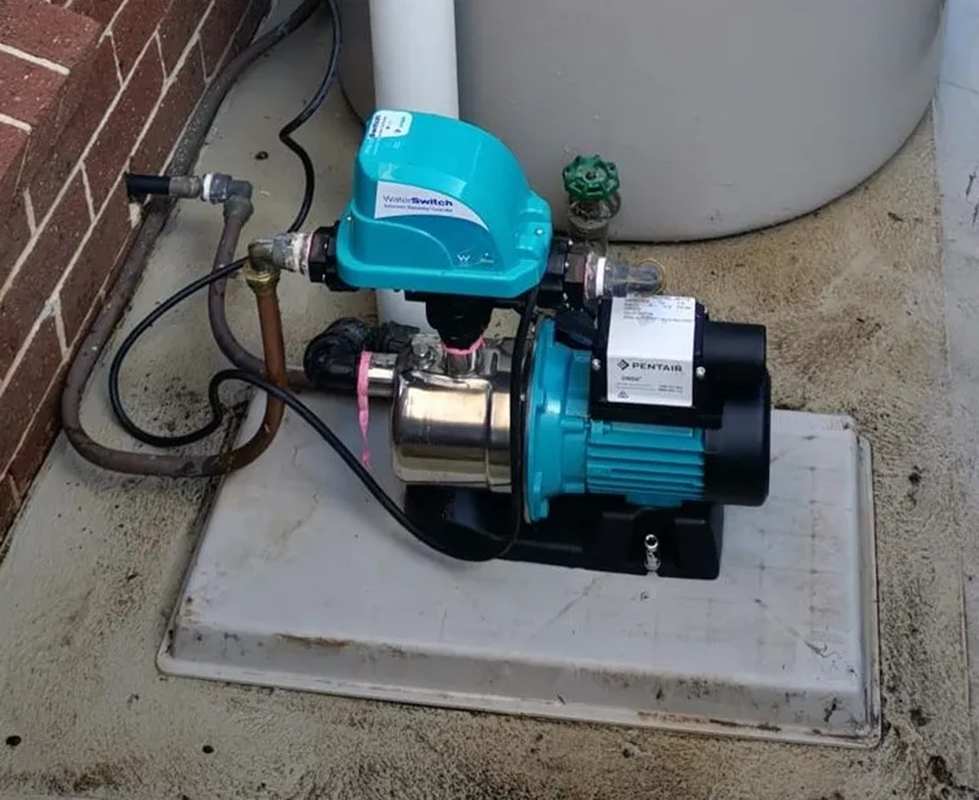
As an example, Internet of Things (IoT) enabled pumps communicate data in real-time, allowing you to monitor and adjust settings optimally for your lifestyle and requirements.
Invaluable Tips for Pump Maintenance
A well-maintained water pump system not only functions optimally but also stands the test of time. Regular checkups, timely replacements of worn-out parts, ensuring protection against power surges, monitoring for abnormal noises or vibrations, and annual professional servicing can greatly enhance the lifespan of your system.
Conclusion: Embracing Efficiency in Water Pump Solutions
In summary, an efficient water pump system is non-negotiable for any modern household or building. Understanding the different types of pumps and their pros and cons, being informed about the latest technological advances, and implementing regular maintenance practices can help you optimize your system.
Depending on your specific scenario, it might add huge value to invest in an eco-friendly and technologically advanced water pumps solution. It might not only bring down your energy bills but also contribute to the well-being of our planet. After all, isn’t sustainable living the path forward we’re trying to tread?
An efficient water pump might seem a small cog in the machinery of a home but think about it – every drop counts!