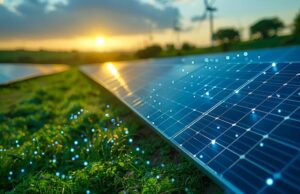
As the world continues to seek sustainable and cost-effective energy solutions, agricultural solar power has emerged as a viable option for modern farms. Solar energy systems are being increasingly integrated into agricultural practices, providing farmers with numerous benefits, including reduced energy costs, improved productivity, and a more sustainable future. In this article, we’ll explore how agricultural solar works, its benefits, and why it’s becoming an essential part of the farming industry.
How Agricultural Solar Works
Agricultural solar systems typically involve the installation of solar panels on farm buildings, land, or even on the rooftops of greenhouses. These panels generate electricity from sunlight, which can be used to power various farm operations, from irrigation and machinery to lighting and cooling systems. The energy produced can be stored in batteries or used immediately to reduce reliance on grid electricity.
In many agricultural setups, solar systems are combined with energy storage solutions such as batteries, which store excess energy for use during periods of low sunlight or high energy demand. This allows farmers to optimize their energy usage and reduce the risk of power shortages, particularly in remote areas where access to reliable grid power may be limited.
Financial Benefits of Agricultural Solar
One of the main reasons farmers are turning to solar energy is the financial benefits it provides. Although the upfront costs of installing a solar power system can be high, the long-term savings are significant, making it a smart investment for many agricultural operations.
Reduced Energy Bills: Solar energy significantly reduces electricity costs for agricultural operations, especially for energy-intensive processes such as irrigation, cooling, and lighting. By generating their own electricity, farmers can lower or eliminate their dependence on grid power and the associated costs.
Government Incentives and Subsidies: Many governments offer incentives for farmers to adopt renewable energy solutions. These can include tax credits, grants, or subsidies to help offset the cost of solar panel installation. In some regions, farmers can also participate in net metering programs, where excess electricity generated by the solar system is sold back to the grid, providing an additional revenue stream.
Long-Term Savings: Solar panels typically have a long lifespan, often lasting 25 years or more with minimal maintenance required. Over time, the savings from reduced energy costs can offset the initial installation costs, making it a highly cost-effective solution in the long run.
Environmental Benefits of Agricultural Solar
The environmental benefits of agricultural solar systems are immense, as they contribute to reducing carbon footprints and supporting sustainable farming practices. The agriculture industry has a significant impact on the environment, and by switching to solar power, farmers can play an important role in mitigating climate change.
Reducing Greenhouse Gas Emissions: Solar energy is a clean and renewable resource that produces no direct greenhouse gas emissions. By switching to solar power, farms can reduce their carbon footprint and help combat climate change.
Promoting Sustainable Farming: By adopting solar technology, farmers can embrace more sustainable practices. Solar power systems can be integrated into existing farm infrastructure, minimizing disruption to the land while providing the energy needed for agricultural activities.
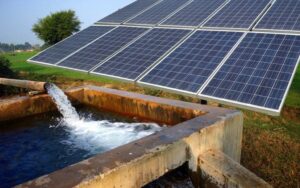
Water Conservation: Solar-powered irrigation systems help conserve water, which is crucial for farming, especially in drought-prone areas. Solar energy can power efficient irrigation pumps that optimize water use, reducing waste and helping conserve this vital resource.
Enhancing Farm Productivity with Solar Energy
The integration of solar power into agricultural operations can enhance productivity in several ways. Solar-powered systems can operate continuously without interruption, ensuring that critical farm functions, such as irrigation or ventilation, continue even during power outages.
Improved Irrigation Systems: In regions with limited water access, solar-powered irrigation systems provide farmers with the ability to irrigate crops effectively without relying on traditional, grid-based power sources. These systems are particularly beneficial in remote areas where electricity is not readily available.
Energy for Climate-Controlled Greenhouses: For farms that rely on greenhouses for crop production, solar power provides a sustainable way to power climate control systems such as fans, heating, and cooling. This ensures that crops are grown in optimal conditions, improving yields and reducing operational costs.
Powering Farm Machinery: Solar power can be used to charge electric farm machinery or vehicles, reducing the need for expensive and polluting fuel. This shift to clean energy can help farms become more energy-efficient and reduce their environmental impact.
Choosing the Right Solar System for Agricultural Use
Selecting the right solar system for your agricultural operation is crucial to maximizing its benefits. The ideal system depends on factors such as the size of the farm, the energy needs of specific operations, and the geographic location.
Farmers should work with experienced solar installers who specialize in agricultural applications. These experts can assess the energy needs of the farm, design a system that meets those needs, and ensure it is installed correctly for optimal performance.
It’s also essential to consider long-term maintenance and monitoring of the solar system. Regular maintenance will ensure that the system continues to operate efficiently, providing reliable power for the farm for years to come.
Conclusion: A Bright Future for Agricultural Solar
As the demand for renewable energy continues to grow, agricultural solar is emerging as a key solution for sustainable farming practices. By reducing energy costs, enhancing productivity, and contributing to environmental conservation, solar power is helping farmers become more energy-independent while benefiting the planet.
With government incentives and advances in solar technology, the adoption of solar energy in agriculture is more accessible than ever. Whether it’s reducing energy bills, improving water management, or powering critical farm operations, agricultural solar is a smart investment that can help farmers thrive in an increasingly sustainable and energy-conscious world.