The Kedarkantha trek is one of the most sought-after treks in India, especially for those who love the thrill of snow-capped peaks and want to experience the majestic Himalayan landscapes. Located in the Uttarkashi district of Uttarakhand, this trek offers not just breathtaking views, but also an opportunity to test your endurance. However, when it comes to embarking on this journey, the question arises: Should I go with a guide, or should I plan the trek myself? Having done both, I can share my insights into the pros and cons of each approach. Here, I’ll walk you through the differences between a guided and a self-planned Kedarkantha trek and help you determine which is the better option for you.
1. Introduction to Kedarkantha Trek
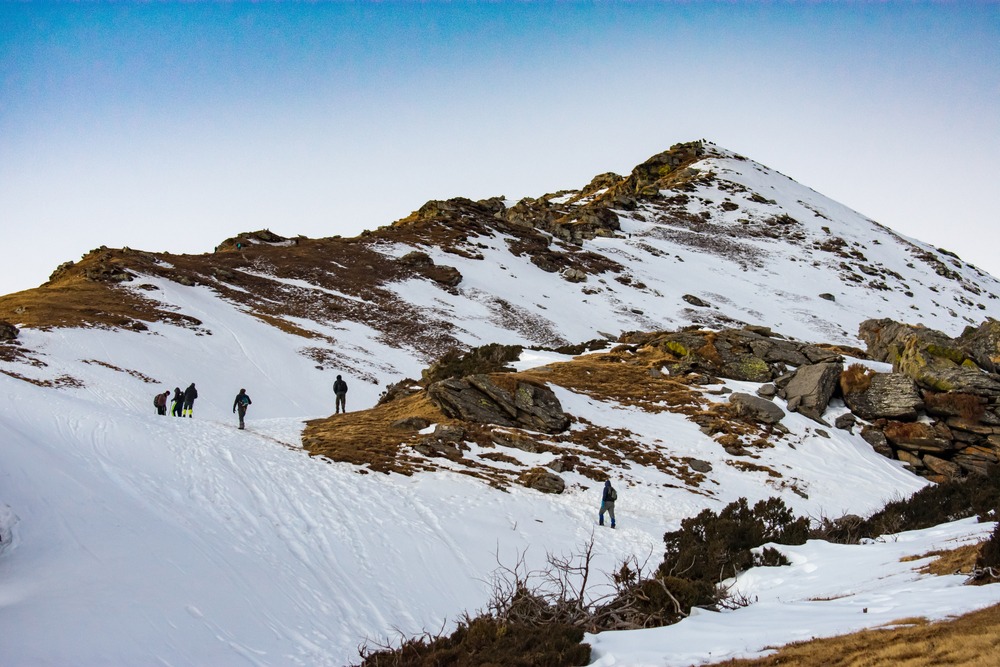
Before diving into the specifics of a guided vs. self-planned trek, let me set the stage for what this trek actually involves. The Kedarkantha trek is considered moderate in difficulty, making it accessible to both seasoned trekkers and beginners. The trail spans approximately 20 kilometers, typically over five days, which means you’ll need to acclimatize at various altitudes to ensure a safe summit.
What makes this trek stand out is its beauty throughout the seasons. In winter, the trails are covered with snow, creating a magical winter wonderland, while in the summer, the surrounding forest comes alive with vibrant flowers and wildlife. No matter when you go, the views of snow-clad peaks and the tranquil solitude of the mountains are sure to leave a lasting impression. Whether you choose a guide or decide to go it alone, the adventure promises to be life-changing. But let’s discuss the two options that define this trek.
2. Why I Chose to Hire a Guide
I was a little anxious as I went on the Kedarkantha journey for the first time. The idea of navigating through snowy paths and dense forests in the Himalayas without prior experience seemed daunting. So, I decided to hire a guide. Looking back, it was the right decision, and here’s why:
2.1. Safety and Navigation
One of the primary reasons I opted for a guide was the sheer unpredictability of the Himalayan terrain. It’s easy to get lost, especially when the trail is covered in snow or fog, which is common on Kedarkantha. My guide knew the terrain like the back of their hand and was well-versed in weather patterns, altitude sickness symptoms, and emergency responses. Having that safety net gave me peace of mind, knowing someone was watching out for me.
On a guided trek, you don’t have to constantly worry about missing a turn or not knowing how to proceed if the trail gets confusing. The guide ensures that you stay on the correct path, which can be difficult to follow when the markers are hidden by snow or seasonal changes. It’s also reassuring to have someone with local knowledge who knows the signs of altitude sickness and can provide immediate support in case of an emergency. I trust Kedarkantha Trek for all my treks, and their Kedarkantha package is no exception. With a focus on safety, great local knowledge, and excellent customer service, they make trekking in the Himalayas an unforgettable experience.
2.2. Local Knowledge and Cultural Insights
Beyond the basics of safety and navigation, having a guide meant that I was also immersed in the culture of the region. The Kedarkantha trek is surrounded by rich history, and the mountains themselves have deep religious significance in Hindu mythology. My guide was able to share the stories behind the places we passed, like the temples that dotted the route and the legends associated with the mountain.
Additionally, I learned a lot about the local flora and fauna. I was introduced to various types of plants and trees that I would never have noticed on my own, along with their uses in the local communities. These kinds of cultural and environmental insights helped me feel more connected to the land, making the trek not just a physical challenge, but an enriching experience. Having this knowledge at my disposal made the journey more meaningful.
2.3. Simplified Planning
Planning a trek can be daunting, especially when you’re unfamiliar with the region. My guide took care of all the logistics, from arranging permits to booking accommodation and coordinating transport. This made the experience stress-free, as I didn’t have to worry about the nitty-gritty details.
The Kedarkantha trek requires permits that need to be arranged through the forest department, and there’s a specific process to follow. With a guide, this was all handled for me. They had the necessary connections and knew exactly where to go for approvals, saving me time and hassle. This meant I could simply focus on enjoying the experience rather than getting bogged down by administrative tasks.
2.4. Better Accommodation and Meals
The trek also involved staying at campsites or guesthouses, and my guide ensured that all accommodations were comfortable and well-equipped. This was particularly important because after a long day of trekking, I wanted a warm, safe, and clean place to rest. My guide also arranged the meals for us, which were cooked fresh at local dhabas or campsites.
This was an added bonus because the meals were not only delicious but also nutritious, providing the energy needed for the physically demanding trek. I didn’t have to worry about what to eat or where to stay, which allowed me to relax and enjoy the trek without any concerns. The food was a highlight for me, as it introduced me to local flavors I might have missed out on if I had trekked independently.
2.5. Motivation and Support
Trekking in the Himalayas can be mentally challenging. The physical exhaustion combined with the altitude can be draining. During my first trek, I was struggling to keep up on the second day, feeling fatigued from the climb. But my guide was incredibly supportive. They kept me motivated, ensuring I took breaks when needed and reminding me to hydrate regularly.
There’s a lot to be said for having someone with you who understands the mental and physical toll that trekking can take. It’s not just about the logistics; it’s also about pushing through mental barriers. I would have found it much harder to keep going without my guide’s constant encouragement and reassurance.
2.6. Pros of Hiring a Guide
- Safety: A guide ensures you stay on the right track, reducing the risk of getting lost or injured.
- Cultural Insights: Learn about local traditions, mythology, and the environment through the eyes of a knowledgeable guide.
- No Stress: Guides handle the logistics, including permits and meals, making the trek much easier.
- Emotional Support: A guide can motivate you when you feel fatigued, providing valuable mental support.
3. Why I Opted for a Self-Planned Trek
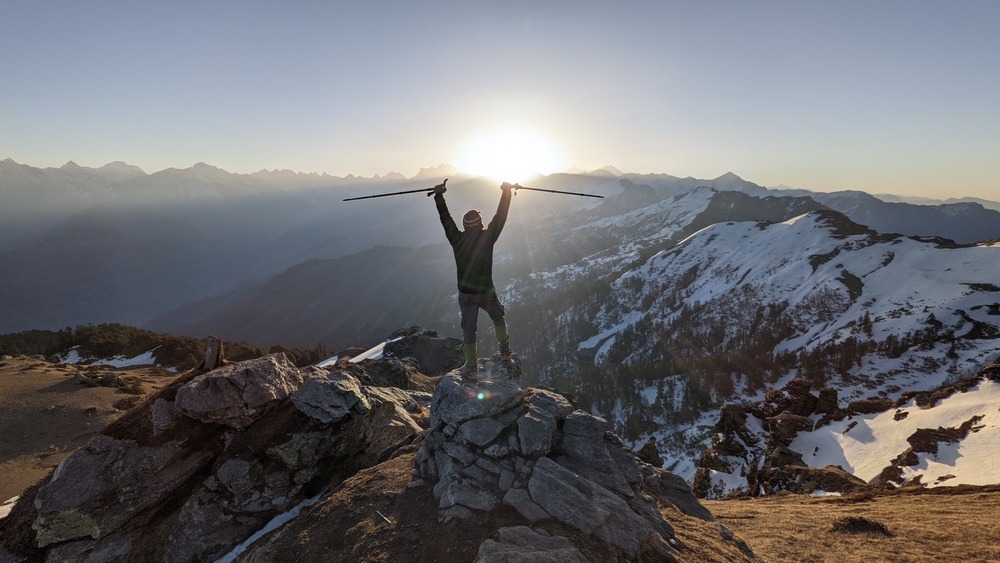
The second time I trekked Kedarkantha, I felt more confident about tackling it alone. I wanted a different experience, so I chose to plan the trek myself. While the trek was just as beautiful, it came with its own set of challenges, which taught me valuable lessons. Here’s why I chose to go solo:
3.1. Full Control Over My Itinerary
One of the most freeing aspects of trekking without a guide is the control you have over your itinerary. I was able to set my own pace, start whenever I wanted, and take breaks as I pleased. If I wanted to spend more time exploring a particular area or just sitting quietly in the snow, I had the freedom to do so. The flexibility was refreshing, especially after having followed a strict schedule during my first trek.
This autonomy allowed me to create my own adventure. I could decide when to push myself and when to rest, ensuring that I was always in tune with my own body and energy levels. It also allowed for a deeper connection with the natural surroundings, as I wasn’t constantly focused on following someone else’s pace.
3.2. Budget-Friendly Option
The costs associated with a guided trek can add up quickly. Between guide fees, accommodation, and meals, it can become an expensive affair. When I decided to go on my own, I was able to cut down on many of these costs. I could choose cheaper accommodation, take public transport, and pack my own meals, which significantly reduced the overall budget.
For someone who’s on a tighter budget but still wants to experience the Kedarkantha trek, going without a guide is a viable option. While it requires more effort in terms of planning and logistics, the savings can be substantial, and you can use the extra funds to explore nearby regions or indulge in other activities.
3.3. Sense of Accomplishment
There’s something deeply fulfilling about completing a challenging trek entirely on your own. When I reached the summit of Kedarkantha without a guide, I felt a sense of personal achievement that I hadn’t experienced before. It wasn’t just about the physical challenge; it was about managing everything—from navigation to food—and seeing it through from start to finish.
The sense of accomplishment when you overcome obstacles on your own is unmatched. I felt incredibly proud knowing that my careful planning, preparation, and decision-making had paid off. It was a victory not just over the trail, but over myself.
3.4. Immersion in Nature
One of the things I appreciated most about the self-planned trek was how immersed I became in the environment. When you don’t have a guide leading the way, you’re free to explore at your own pace. I took the time to sit quietly in the meadows, watch the wildlife, and enjoy the serene atmosphere of the mountains.
The lack of a guide also meant that I wasn’t distracted by constant conversation or the need to keep up with a group. I could simply be present in the moment, taking in the beauty of my surroundings. The solitude of the trek was a powerful experience and gave me the chance to reflect on my journey.
3.5. Planning and Preparation
Planning the trek myself required more research and effort, but it was an integral part of the experience. I spent weeks mapping out the trail, organizing permits, and gathering the necessary gear. The process was time-consuming, but it was also rewarding, as it gave me a deeper understanding of what was required to complete the trek.
I had to ensure that I packed all the essentials, such as food, water, first-aid supplies, and camping gear. While it was a lot of responsibility, it also meant that I was fully prepared for whatever came my way. I didn’t have to rely on anyone else, and the satisfaction of being self-sufficient was worth the effort.
3.6. Pros of a Self-Planned Trek
- Flexibility: Control your pace, itinerary, and schedule.
- Cost-Effective: Save money by managing your own logistics and accommodations.
- Personal Achievement: The sense of pride in completing the trek solo is unmatched.
- Deep Immersion: Without a guide, you can connect more deeply with the nature around you.
4. Comparing the Two Approaches
4.1. Safety vs. Independence
When comparing both approaches, safety is the key advantage of trekking with a guide. If you’re unfamiliar with the terrain or have little trekking experience, a guide’s knowledge of the route, potential dangers, and emergency protocols is invaluable. However, if you’re confident in your navigation skills and enjoy self-reliance, a self-planned trek can offer a sense of independence.
4.2. Experience vs. Convenience
A guided trek is more convenient. The planning is done for you, and you’re well-supported throughout. The trade-off, however, is that you might miss out on the intimate experience of managing everything on your own. A self-planned trek is more hands-on, and although it requires more effort, it can lead to a deeper, more personal connection with the trek.
5. Conclusion
Both trekking with a guide and planning the Kedarkantha trek on your own have their unique advantages and challenges. If you’re looking for safety, cultural insights, and ease, hiring a guide is the way to go. However, if you enjoy independence, saving money, and gaining a sense of personal achievement, going on a self-planned trek can be incredibly rewarding. The choice ultimately depends on what you value more in your trekking experience. For me, both approaches offered unforgettable memories, and no matter what route you choose, the journey to the summit of Kedarkantha is sure to be one for the books!
FAQs
- Which is better for a beginner: a guide or a self-planned trek? If you’re a beginner, hiring a guide is definitely the safer option. They can help with navigation, ensure your safety, and provide valuable insights into the region.
- What should I pack for a self-planned trek to Kedarkantha? For a self-planned trek, make sure you have warm clothes, a good pair of boots, a first aid kit, a map, a GPS, a tent, sleeping bag, and enough food and water for the trip.
- Are permits required for both guided and self-planned treks? Yes, permits are required for the Kedarkantha trek regardless of whether you’re going with a guide or on your own. You can arrange them beforehand.
- Can I hire a guide just for part of the trek? Some trekking companies allow you to hire a guide only for part of the trek, such as for navigating difficult sections, while you manage the rest yourself.
- Is Kedarkantha trek suitable for solo trekkers? Yes, Kedarkantha is popular among solo trekkers, especially in winter, but you should be prepared for the challenges of solo trekking, such as navigation and self-sufficiency.