Vaping has become one of the most popular alternatives to smoking in recent years, with millions of people around the world opting for e-cigarettes and vape devices to satisfy their nicotine cravings. What began as a niche market has now evolved into a global industry that continues to grow and innovate. In this blog, we’ll explore how vaping has changed over the years, how it’s impacted the way we consume nicotine, and what the future of vaping may look like.
The Early Days of Vaping
The concept of vaping is not as recent as many might think. The first e-cigarette was invented in 1963 by Herbert A. Gilbert, an American inventor. However, it wasn’t until 2003 that the modern version of the e-cigarette was created by Chinese pharmacologist Hon Lik. His design was based on the use of a heated coil to vaporize liquid nicotine, which was then inhaled by the user. This device was marketed as a safer alternative to traditional smoking, which rapidly gained popularity in China and soon spread to other parts of the world.
The early e-cigarettes were relatively simple devices, consisting of a battery, a cartridge, and a heating element. While they offered a better alternative to smoking combustible tobacco, the vaping experience was still quite primitive. These early models often had limited vapor production, harsh throat hits, and inconsistent performance. The e-liquids were also basic, with only a handful of flavors, and the nicotine strength options were limited.
The Rise of the Vape Mods and Tanks
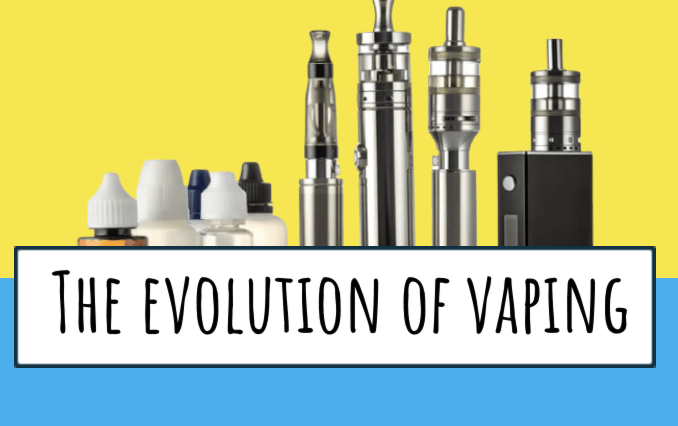
In the early 2010s, vaping began to evolve with the introduction of vape mods and tanks. These devices were larger and more customizable, giving users more control over their vaping experience. Mods allowed for higher wattages, which in turn allowed for larger vapor clouds and more intense flavors. Vape tanks, which were designed to hold e-liquid, offered better capacity and a more consistent vaping experience.
This era also saw the rise of sub-ohm vaping, which refers to the practice of using low-resistance coils that allow for higher wattages and greater vapor production. Sub-ohm tanks became popular among cloud-chasing enthusiasts who wanted to create massive vapor clouds. As a result, there was a surge in the variety of vape juices available, including more exotic flavors such as candy, fruit, and dessert blends. The ability to customize wattage, airflow, and resistance allowed users to fine-tune their vaping experience to suit their preferences.
The market also saw an explosion of flavors, and e-liquids were available in a wide range of options, from traditional tobacco and menthol to more adventurous options like cotton candy, gummy bears, and exotic fruits. This explosion of flavor variety brought in a whole new audience of users who were not smokers but were curious about the unique and flavorful world of vaping.
The Advent of Pod Systems and Salt Nicotine
As the demand for vaping continued to rise, the industry responded with a more convenient and discreet vaping solution: pod systems. Pod systems are compact, portable devices that use pre-filled pods containing e-liquid. These devices are typically much smaller and easier to use compared to traditional mods and tanks. They are particularly popular with smokers who are looking to transition away from traditional cigarettes because they mimic the feel of smoking a cigarette more closely.
Along with pod systems, salt nicotine emerged as a game-changing development in the vaping world. Unlike freebase nicotine, which is the most commonly used nicotine form in e-liquids, salt nicotine is a smoother and faster-absorbing form of nicotine. This makes it ideal for use in pod systems, which are designed for higher nicotine concentrations. Salt nicotine allows for a more satisfying throat hit and quicker nicotine satisfaction, which helps curb cravings more effectively.
Pod systems and salt nicotine together changed the way people vaped. The devices were more discreet and portable, and the nicotine hit was more comparable to traditional smoking. Brands like JUUL, SMOK, and Vuse became household names, bringing vaping to the mainstream. This shift also led to the creation of various flavors that were tailored for use in pod devices, such as fruity and menthol blends.
Regulation and Public Perception of Vaping
As vaping continued to grow in popularity, governments and health organizations began to take notice. The rise of e-cigarettes led to increased scrutiny over their safety and potential health risks. Many countries, including the United States, introduced regulations on vaping products, particularly concerning the sale of e-cigarettes to minors and advertising restrictions.
One of the major concerns surrounding vaping has been the potential long-term health effects. While many studies suggest that vaping is less harmful than smoking combustible cigarettes, the long-term effects of inhaling vaporized e-liquids are still not fully understood. As a result, regulatory bodies like the FDA (Food and Drug Administration) have been working to ensure that e-cigarettes are properly regulated to reduce the potential for misuse and protect public health. Some countries, including Australia, have implemented strict regulations or even outright bans on the sale of e-cigarettes and vape products.
On the other hand, many public health organizations continue to advocate for vaping as a safer alternative to smoking, with the potential to help millions of smokers quit. The Royal College of Physicians in the UK, for example, has stated that vaping is at least 95% less harmful than smoking traditional cigarettes. Despite this, there is still a stigma around vaping, and public perceptions vary depending on the country and the individual.
The Future of Vaping: Innovation and Sustainability
Looking ahead, the future of vaping appears to be one of continuous innovation. As technology continues to improve, we can expect to see even more advanced devices and e-liquid formulations that enhance the vaping experience. The focus will likely shift toward improving the safety of devices, increasing e-liquid quality, and developing products that are more sustainable.
Sustainability is an area of growing concern in the vaping industry. As the popularity of vaping grows, so does the environmental impact, particularly when it comes to disposable vapes and pods. Many companies are exploring ways to make vaping products more eco-friendly, such as using recyclable materials, offering refillable pods, and encouraging responsible disposal of used devices.
Furthermore, as more consumers become health-conscious, there may be an increased demand for organic e-liquids, plant-based nicotine, and other natural alternatives. The ongoing shift toward healthier lifestyles may influence the types of ingredients used in vaping products and lead to a new wave of “cleaner” vaping options.
Conclusion
Vaping has come a long way since its humble beginnings in the early 2000s. From basic e-cigarettes to sophisticated pod systems and salt nicotine formulations, the industry has constantly evolved to meet the needs of a diverse and growing user base. Despite regulatory hurdles and ongoing debates over its safety, vaping remains a popular and viable alternative to traditional smoking. With continuous innovations and an ever-expanding range of products, the future of vaping looks promising, and we’ll likely see even more exciting developments in the years to come.
As the industry continues to mature, the focus will shift toward improving device safety, enhancing e-liquid quality, and exploring sustainable practices. The evolution of vaping is far from over, and as we look to the future, we can only anticipate more breakthroughs that will reshape the vaping landscape. Whether you’re a new vaper or a seasoned enthusiast, one thing is clear: vaping is here to stay.