Green hydrogen is increasingly gaining traction as a pivotal element in the transition to clean energy. Its role in decarbonizing industries such as logistics and supply chains is particularly significant due to its potential to replace fossil fuels in transportation and heavy-duty operations. In this blog, we explore the green hydrogen price trends, its implications for logistics and supply chain sectors, and the factors influencing its adoption.
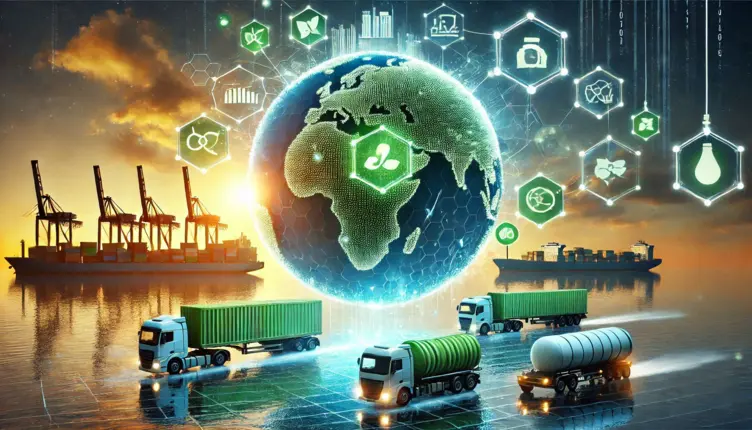
Introduction to Green Hydrogen and Its Relevance to Logistics
Green hydrogen is hydrogen produced through electrolysis powered by renewable energy sources, resulting in no greenhouse gas emissions. This makes it a sustainable alternative to grey or blue hydrogen, which rely on fossil fuels. The logistics and supply chain industries, responsible for substantial global emissions, are actively exploring green hydrogen as a cleaner energy source.
Heavy-duty vehicles, long-haul trucking, and marine transport are particularly challenging to decarbonize due to their high energy demands. Green hydrogen offers an opportunity to reduce emissions while maintaining operational efficiency, making it a key player in future energy strategies.
Current Green Hydrogen Price Trends
One of the main barriers to widespread adoption is the current cost of green hydrogen, which remains higher than fossil fuels and other types of hydrogen. However, the cost has been decreasing due to advancements in technology, increasing scale, and declining renewable energy prices.
Request a Free Sample – https://www.procurementresource.com/resource-center/green-hydrogen-price-trends/pricerequest
- Electrolyzer Costs
Electrolyzers, which split water into hydrogen and oxygen, are a critical component of green hydrogen production. Their costs have been declining steadily as manufacturing scales up and new technologies, such as solid oxide electrolyzers, emerge. According to recent data, electrolyzer costs have dropped by nearly 50% in the past decade. - Renewable Energy Costs
The price of renewable electricity has reached record lows in many parts of the world, significantly impacting the cost of green hydrogen. Solar and wind energy prices are expected to continue decreasing, further reducing the price of hydrogen production. - Policy and Incentives
Governments worldwide are rolling out subsidies, tax incentives, and grants to promote green hydrogen production and adoption. These measures are contributing to a downward trend in prices, especially in regions like Europe, Australia, and the Middle East.
Factors Influencing Green Hydrogen Prices
The price of green hydrogen is influenced by several key factors:
- Technology Advancements
Innovations in electrolyzer efficiency, durability, and scalability are central to reducing production costs. Additionally, the integration of artificial intelligence (AI) and machine learning (ML) in hydrogen production and distribution systems optimizes operations and reduces waste. - Economies of Scale
As more green hydrogen plants are developed, the cost per unit of hydrogen decreases. Large-scale projects in countries such as Saudi Arabia and Chile are expected to drive this trend. - Supply Chain Logistics
Transportation and storage of hydrogen are challenging and costly. Developing efficient supply chain solutions, including hydrogen pipelines and advanced storage technologies like cryogenic tanks, is crucial to reducing overall costs. - Market Demand
Increased adoption of hydrogen in industries such as logistics, aviation, and power generation will likely create economies of scale, reducing prices further. - Global and Regional Policies
Countries with aggressive carbon-neutral goals are investing heavily in green hydrogen infrastructure. For instance, the European Union’s hydrogen strategy aims to install at least 40 GW of electrolyzers by 2030, influencing global price trends.
Adoption of Green Hydrogen in Logistics and Supply Chains
- Transportation Applications
Heavy-duty trucks, which are difficult to electrify due to battery weight and range limitations, are prime candidates for green hydrogen fuel cells. Hydrogen-powered trucks offer longer ranges and shorter refueling times compared to battery-electric alternatives. - Marine Transport
Hydrogen can replace bunker fuels in shipping, significantly reducing emissions. Efforts are underway to develop hydrogen-fueled ships and port infrastructure to support their refueling needs. - Warehouse and Material Handling
Hydrogen-powered forklifts and other material handling equipment are gaining popularity in warehouses due to their quick refueling and long operational times. - Cold Chain Logistics
Hydrogen fuel cells are increasingly used in refrigeration units for transporting perishable goods, providing an emission-free solution for cold chain logistics.
Challenges in Green Hydrogen Adoption
Despite its potential, several challenges must be addressed for green hydrogen to be a viable energy source for logistics and supply chains:
- High Initial Costs
The upfront investment in hydrogen production facilities, fuel cell vehicles, and storage infrastructure is substantial, posing a barrier for smaller companies. - Storage and Transportation
Hydrogen is highly flammable and requires specialized infrastructure for safe storage and transport. Developing cost-effective solutions, such as metal hydrides and high-pressure tanks, remains a critical focus. - Infrastructure Development
The lack of a widespread refueling network limits the adoption of hydrogen-powered vehicles. Governments and private players must collaborate to build the necessary infrastructure. - Regulatory Barriers
Inconsistent policies and regulations across regions can create challenges for companies operating globally. Standardized frameworks are needed to streamline hydrogen adoption.
Future Outlook for Green Hydrogen in Logistics
The future of green hydrogen in logistics looks promising due to continued technological advancements, policy support, and increasing demand for sustainable solutions. By 2030, the cost of green hydrogen is expected to reach parity with grey hydrogen, making it economically viable for widespread adoption.
Emerging Trends:
- Hydrogen Hubs: Regions like the Middle East and North Africa are emerging as key hydrogen exporters due to their abundant renewable energy resources.
- Hybrid Solutions: Combining green hydrogen with battery-electric systems for optimized energy solutions.
- Corporate Investments: Major logistics companies, such as DHL and Amazon, are investing in hydrogen technologies to meet their sustainability targets.
Contact Us:
Company Name: Procurement Resource
Contact Person: Tom Hanks
Email: sales@procurementresource.com
Toll-Free Number: USA & Canada - Phone no: +1 307 363 1045 | UK - Phone no: +44 7537171117 | Asia-Pacific (APAC) - Phone no: +91 1203185500
Address: 30 North Gould Street, Sheridan, WY 82801, USA