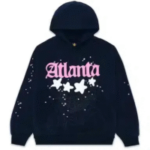
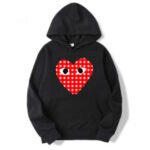
In the world of streetwear, Supreme clothing stands as a cultural beacon. Known for its unique blend of skate culture, luxury fashion, and urban edge, Supreme has built an undeniable legacy. The brand’s distinctive red box logo, limited edition drops, and collaborations with high-end designers and global brands have cemented its place as a symbol of exclusivity and status. But what makes Supreme clothing so special, and why is it considered one of the most influential fashion labels of the 21st century? In this article, we’ll explore the history, the evolution, and the lasting appeal of Supreme clothing.
What is Supreme Clothing?
Founded in 1994 by James Jebbia in New York City, Supreme clothing began as a small skate shop. Jebbia’s vision was to create a brand that reflected the authentic skateboarding scene, while also blending elements of New York street culture. At first, the brand primarily sold skateboards and accessories, but it quickly expanded to apparel, which included graphic T-shirts, hoodies, and hats. The brand’s ability to fuse streetwear with high fashion allowed it to gain rapid attention.
Supreme’s early influence came from its association with skateboarding, which was gaining popularity worldwide. Over time, the brand’s focus shifted towards creating clothing that represented the lifestyle of the modern urban dweller. Today, Supreme clothing is considered both a fashion statement and a symbol of exclusivity, often coveted by collectors and fashion enthusiasts alike.
The Iconic Red Box Logo: A Trademark of Supreme Clothing
One of the most recognizable aspects of Supreme clothing is its bold red box logo. This simple design features the word “Supreme” written in white Futura font against a red background. The logo’s simplicity is part of its appeal, allowing it to stand out while still remaining understated. However, its impact is undeniable. In fact, Supreme’s red box logo has become one of the most recognizable symbols in streetwear and fashion as a whole.
The red box logo often appears on T-shirts, hoodies, jackets, and accessories, making it a staple in every Supreme release. It’s not just a logo; it’s a symbol of authenticity and exclusivity. Over the years, Supreme has used its logo in various creative ways, collaborating with artists, musicians, and designers to create limited edition designs that fans can’t get enough of.
Supreme Collaborations: A Key to Its Success
One of the defining features of Supreme clothing is its ability to collaborate with other brands and artists. Supreme has partnered with some of the most prestigious names in fashion, including Louis Vuitton, Nike, and The North Face, to name just a few. These collaborations have made Supreme more than just a streetwear brand; they’ve positioned it as a luxury streetwear label.
The Supreme x Louis Vuitton collaboration, for instance, was a game-changer. When it debuted in 2017, it caused a frenzy in the fashion world. Supreme’s iconic street style met Louis Vuitton’s luxury heritage, creating an exciting fusion of high-end fashion and skate culture. The result? A limited edition collection that was sold out within minutes, with pieces reselling for thousands of dollars on the secondary market.
Supreme’s collaboration with Nike has also been highly successful, resulting in exclusive sneaker releases and apparel drops that have sold out almost instantly. These partnerships are often highly anticipated and become instant classics, adding to the brand’s reputation for exclusivity and desirability.
The Drop Culture of Supreme Clothing
Another unique aspect of Supreme clothing is its approach to retail. Supreme operates on a “drop culture,” meaning it releases a limited quantity of clothing and accessories at specific times. These drops are often unpredictable, and fans must act quickly to secure their desired pieces. This strategy has created a sense of urgency and scarcity that drives demand for Supreme products.
Each season, Supreme releases a new collection, which typically includes T-shirts, hoodies, jackets, pants, and accessories. The brand’s drop strategy has cultivated a sense of excitement, as fans line up outside Supreme stores or scramble online to get their hands on the latest items. The limited nature of these drops also means that once an item sells out, it’s gone for good – adding to the brand’s exclusivity.
As a result, the secondary market for Supreme clothing is thriving. Many pieces from past collections can be found on resale platforms like Grailed or StockX, where they often command higher prices than their original retail value. This resale culture has played a significant role in maintaining Supreme’s status as a highly coveted brand.
The Influence of Supreme Clothing on Streetwear Culture
Supreme’s influence on streetwear is immeasurable. Over the years, the brand has shaped the landscape of urban fashion, blending elements of skateboarding, hip-hop, and high fashion into one cohesive aesthetic. Supreme’s aesthetic is bold, with graphic designs, bright colors, and oversized silhouettes often taking center stage in its collections.
The brand’s connection to the skateboarding community has always been at the core of its identity. In fact, Supreme started as a skateboard shop and has maintained its ties to skate culture throughout its evolution. This connection to skateboarding gives Supreme clothing an authenticity that other streetwear brands often lack.
Supreme’s ability to merge different cultural influences has helped shape the modern streetwear movement. The brand’s collaborations with hip-hop artists, graffiti writers, and other members of the urban creative scene have reinforced its status as a cultural icon. Supreme has played a key role in making streetwear mainstream, transforming it from a niche subculture into a global fashion phenomenon.
Why Supreme Clothing is Still Relevant Today
Despite being in the market for over 25 years, Supreme Hoodie remains as relevant as ever. Several factors contribute to its enduring popularity:
- Exclusivity: Supreme’s limited drops and collaborations with high-end brands continue to fuel demand and create an aura of exclusivity around the brand.
- Cultural Relevance: Supreme continues to collaborate with artists, musicians, and designers who are at the forefront of popular culture. The brand’s ability to stay in tune with trends and movements keeps it fresh and relevant.
- The Hype: Supreme has mastered the art of hype, generating anticipation for each release and keeping fans on their toes with unexpected collaborations and drops.
- Quality and Design: While Supreme is known for its bold graphics and street-inspired designs, the quality of its clothing and accessories is also a major selling point. The brand has always focused on producing high-quality, durable items that can stand the test of time.
- Resale Value: The resale market for Supreme clothing is another reason for its continued success. Limited edition items that sell out in minutes often appreciate in value, making them desirable not just for personal use but as investment pieces.
Conclusion
Supreme clothing is more than just a brand – it’s a cultural phenomenon. From its humble beginnings as a skate shop in New York City to its position as one of the most influential streetwear brands in the world, Supreme has consistently pushed boundaries and set trends. Its bold designs, exclusive drops, and collaborations with high-end brands have made it a symbol of status, creativity, and authenticity. Whether you’re a die-hard collector or simply a fan of the brand’s aesthetic, Supreme clothing continues to shape the future of fashion in ways few other labels can.