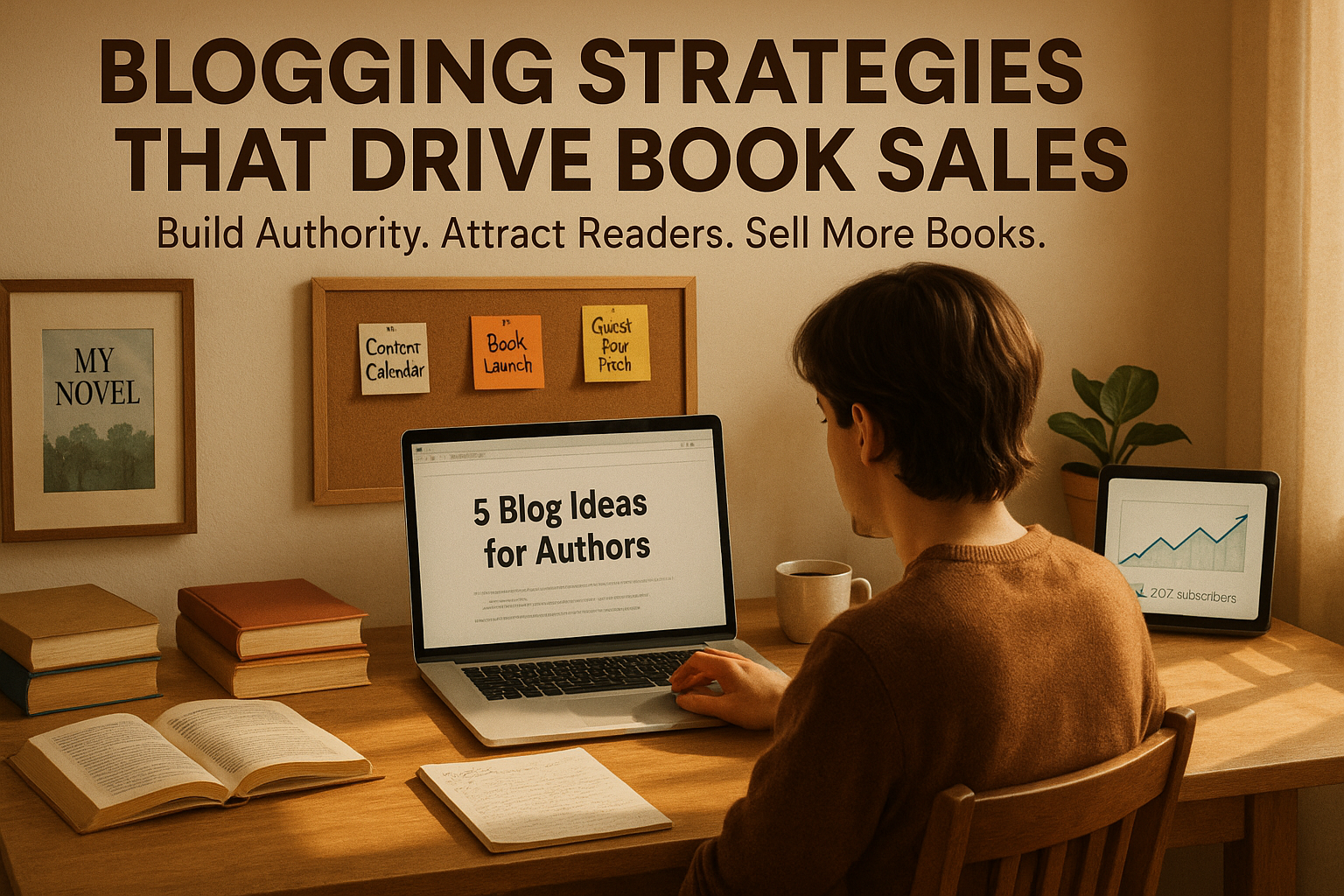
Effective blogging can transform a passion for writing into a thriving platform that not only engages readers but also drives consistent book sales. By crafting valuable content, optimizing for search, and connecting with the right audience, authors can turn blog traffic into loyal fans and paying customers. Below, you’ll find an in-depth guide—complete with practical tips, proven tactics, and strategic internal resources—to help you build a blog that boosts visibility, authority, and, ultimately, book revenue.
Table of Contents
- Why Blogging Matters for Authors
- Choosing the Right Blogging Platform
- Planning Content That Sells Books
- SEO Best Practices for Author Blogs
- Crafting Irresistible Blog Posts
- Building an Email List from Your Blog
- Expanding Reach with Collaborations
- Leveraging Social Media to Amplify Posts
- Tracking and Adjusting Your Strategy
- When to Invest in Professional Services
- Case Study: From Blog Launch to Bestseller
- Conclusion: Turning Readers into Buyers
Why Blogging Matters for Authors
Blogging is more than just an online diary—it’s a powerful tool to attract readers, showcase your expertise, and build a relationship that leads directly to book purchases. A regularly updated author blog:
- Boosts discoverability through search engines and social shares
- Establishes authority by offering helpful insights, interviews, or excerpts
- Supports multiple touchpoints for potential buyers to learn about your work
As you plan your approach, remember that consistency and quality are key. For a straightforward framework on how to get started, check out these simple steps to market your book tailored for authors ready to reach a wider audience.
Choosing the Right Blogging Platform
Selecting a platform that suits your tech comfort level and marketing goals sets the stage for long-term growth. Common options include:
- WordPress.org: Highly customizable, with thousands of themes and plugins to fine-tune SEO, email signups, and design.
- Squarespace: User-friendly drag-and-drop builder, ideal for authors focused on visuals and ease of setup.
- Wix: Flexible templates and built-in marketing tools, though SEO features may be more limited.
Whichever you choose, ensure you can install analytics, integrate an email signup form, and control your site’s metadata—essential for optimizing content around keywords like “increase book sales” and “author blog tips.”
Planning Content That Sells Books
A content calendar helps maintain momentum and keeps readers coming back. Here’s how to map out posts that align with your book promotions:
- Identify core themes related to your book’s genre or subject—e.g., “writing tips,” “historical research,” or “character deep dives.”
- Balance formats: How-to guides, author interviews, guest posts, book reviews, and sneak-peek excerpts.
- Seasonal tie-ins: Schedule holiday gift guides, back-to-school features, or awards-season roundups.
- Call to action: Each piece should invite readers to sign up for your newsletter or explore your backlist.
For fresh ideas you can plug into your calendar, explore these proven book marketing ideas and tactics, which include blog-friendly approaches to grow readership.
SEO Best Practices for Author Blogs
Ranking on page one of Google for high-volume queries demands careful attention to search optimization:
1. Keyword Research and Selection
- Main keyword: “Blogging strategies that drive book sales.”
- LSI terms: “book blog,” “content calendar,” “email list building,” “guest posting tips,” “SEO for bloggers,” “increase book sales.”
Use tools like Google Keyword Planner or Ubersuggest to uncover search volume and difficulty, then sprinkle terms naturally throughout headings and body text.
2. On-Page Optimization
- Title tag: Keep under 60 characters, include the main keyword at the front.
- Meta description: Summarize benefits in 150–160 characters, incorporate LSI terms.
- Header tags: Use H1 for the post title, H2 for main sections, H3 for subpoints.
- Image alt text: Describe visuals with keywords, e.g., “author blogging setup” or “book sales infographic.”
3. Internal Linking
Connecting related posts strengthens site structure and encourages readers to explore further. Naturally mention your tips within posts and hyperlink relevant phrases to resources like identifying your ideal audience when discussing reader profiles.
Crafting Irresistible Blog Posts
The heart of your strategy is the content itself. To turn casual visitors into buyers:
Use Engaging Openers
Start with a relatable anecdote or a surprising statistic about reader habits. For example, “Did you know that 60% of book buyers read author blogs before purchase?”
Provide Actionable Value
Each section should offer clear, concise steps. When explaining how to interview fellow authors, link to your children’s book writing services if you specialize in that niche.
Incorporate Visuals
Infographics, book cover images, or short videos break up text and reinforce points. Make sure each image has keyword-rich alt text.
End with a Hook
Invite comments, ask readers to share their own tips, or tease upcoming posts. Always include a link to your sales page or a comprehensive guide to book marketing services to keep promotional content relevant and helpful.
Building an Email List from Your Blog
An engaged email list delivers the highest return on investment—far outpacing social media. To grow your subscriber base:
- Offer a freebie: A short story, writing checklist, or sample chapter in exchange for an email address.
- Use exit-intent popups: Prompt readers who are about to leave with a compelling signup incentive.
- Embed opt-in forms in the sidebar and at the end of each post.
Once subscribers join, send a welcome series that introduces you, showcases your genres, and links to your professional book marketing services page to highlight how you can support fellow authors.
Expanding Reach with Collaborations
Guest posting and partnerships expose your blog to new audiences:
- Guest posts on genre-relevant blogs: Pitch unique angles—such as “How Christian authors can use blogging”—to sites focusing on Christian publishing.
- Interview fellow writers: Swap interviews and cross-promote on social media.
- Co-host webinars: Teach a session on “SEO for author blogs” and include a link back to your own site.
By sharing expert insights through guest contributions, you’ll attract readers who are already interested in buying books.
Leveraging Social Media to Amplify Posts
Social channels can multiply your blog’s impact:
- Twitter/X Threads: Break down key tips into bite-sized tweets with links to full articles.
- Instagram Carousels: Turn blog highlights into shareable slides.
- Pinterest Boards: Pin blog graphics under “Book Marketing Tips” to tap into evergreen search traffic.
- Facebook Groups: Share posts in author and reader communities, ensuring you follow each group’s rules.
Test different platforms to see which drives the most traffic and adapt your posting frequency accordingly.
Tracking and Adjusting Your Strategy
Regularly review analytics to refine your approach:
- Google Analytics: Monitor pageviews, bounce rate, and average time on page.
- Search Console: See which keywords generate impressions and clicks.
- Email Metrics: Track open rates and click-throughs for your newsletter campaigns.
If you notice certain topics—like “guest posting tips”—outperforming others, double down with follow-up posts. Conversely, refresh underperforming content by adding new insights or visuals.
When to Invest in Professional Services
Scaling your blog and author brand may call for expert help. Consider outsourcing when:
- You need a full ghostwriting service to maintain regular posting without sacrificing book writing time.
- You want a targeted strategy from a book marketing services ultimate guide provider.
- You’re launching a children’s series and require both children’s book publishing and writing support to develop blog-targeted content that resonates with young readers and their parents.
Professional partners accelerate your blogging efforts and free you to focus on crafting the next bestseller.
Case Study: From Blog Launch to Bestseller
Author: Jane Harper
Genre: Mystery
Strategy Summary:
- Content Calendar: Jane published two posts weekly—one research deep-dive and one book excerpt—over six months.
- SEO Focus: She optimized every post for LSI keywords like “suspense novel insights” and “character profiling.”
- Email Growth: Offered a free short story featuring her detective character, boosting subscribers from 500 to 5,000.
- Guest Posts: Contributed to popular crime-writing blogs, linking back to her series overview.
- Conversion: Early newsletter readers pre-ordered her third novel, leading to a #1 mystery launch on several retailer charts.
Jane’s success highlights how a disciplined blog strategy can directly influence pre-orders and long-term sales.
Conclusion: Turning Readers into Buyers
Blogging is a low-cost, high-impact channel for authors to engage readers, showcase expertise, and boost book sales. By planning content around strategic keywords, optimizing posts for search, building an email list, and leveraging collaborations, you create a repeatable system that continues delivering new readers and revenue. When the workload grows, professional services—whether ghostwriting, publishing, or marketing—can help scale your efforts.
Start implementing these strategies today, track your results, and watch your blog evolve into a powerful engine for book sales. Your next bestseller could be just a blog post away.