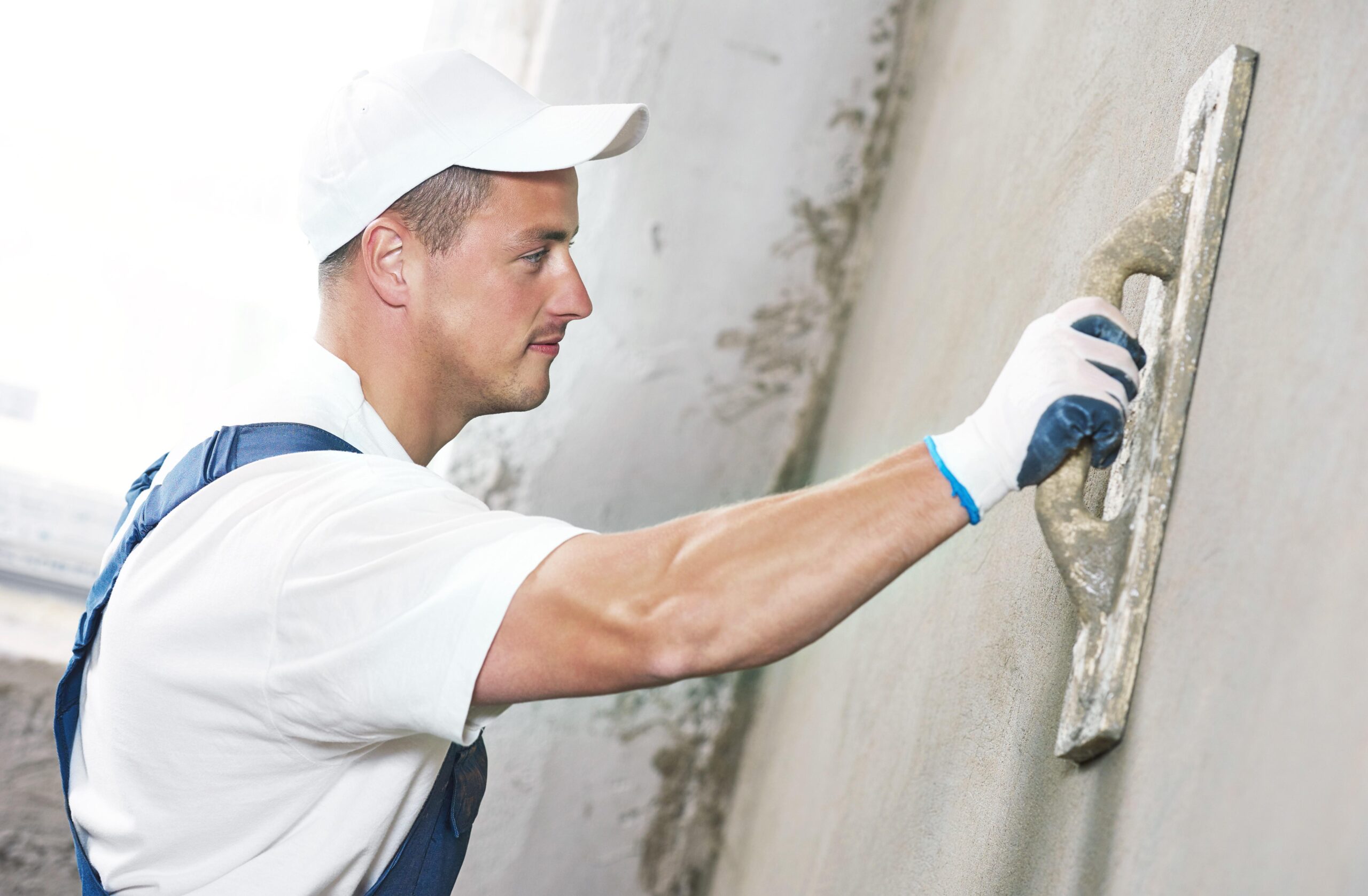
Plastering is both an art and a science, requiring skill, accuracy, and familiarity with materials. Whether you’re experienced and qualified or just starting, there are important rules and considerations that every plasterer should follow to realize a perfect finish and ensure safety on the job. This guide will survey key principles of Plasterers Harrow, from preparation and technique to safety and best practices, that can help you surpass in the trade.
Preparation is Key
Appropriate preparation is fundamental for a flourishing plastering job. Speeding up this phase can cause poor adhesion, rough surfaces, and subpar outcomes.
Surface Inspection:
Thoroughly check the surfaces for cracks, loose material, or humidity before applying plaster. Tackle any troubles to certify the plaster adheres well.
Clean the Surface:
Clean the entire area carefully to remove loose debris, grease, or dust. This stage certifies a level surface and develops the bond between the substrate and the plaster.
Apply a Suitable Primer or PVA Bond:
Depending on the surface type, a primer or PVA (polyvinyl acetate) bonding agent should be applied. This helps to seal porous surfaces, reduce suction, and provide a good base for the plaster to grip.
Masking and Protection:
Protect adjacent areas, such as floors, skirting boards, windows, and doorframes, with masking tape and plastic sheets. This prevents unwanted plaster splashes and makes cleanup easier.
Master the Right Techniques and Tools
The tools and techniques employed in plastering significantly influence the quality of the finish. Mastery of the appropriate tools and their effective use is crucial for achieving a smooth and uniform plaster surface.
Essential Tools:
Every plasterer should possess essential tools such as a reliable plastering knife, trowel, mixing buckets, hawk, float, and spirit level. High-quality tools not only expedite the job but also make it easier, resulting in a more polished finish.
Mixing Plaster Correctly:
As per the manufacturer instructions make sure to blend the plaster. To avoid clumping, add plaster to water, not vice versa.
Application Techniques:
When applying plaster, always use smooth, sweeping motions with the trowel held at a slight angle to create an even layer. Start from the top of the wall and work your way down to maintain better control over the application.
Two-Coat System:
Using two coats of plaster is important for a heavy-duty and level finish. The first coat must be faintly thicker to deliver a base, while the second coat should be thinner and used to level the surface.
Follow Safety Guidelines
Safety is known as a top significance in plastering, as it includes working with materials and gear that can stance hazards if not conducted appropriately.
Personal Protective Equipment (PPE):
Always wear appropriate PPE, including safety goggles, gloves, dust masks, and knee pads, to protect yourself from dust, chemicals, and potential injuries.
Safe Ladder Use:
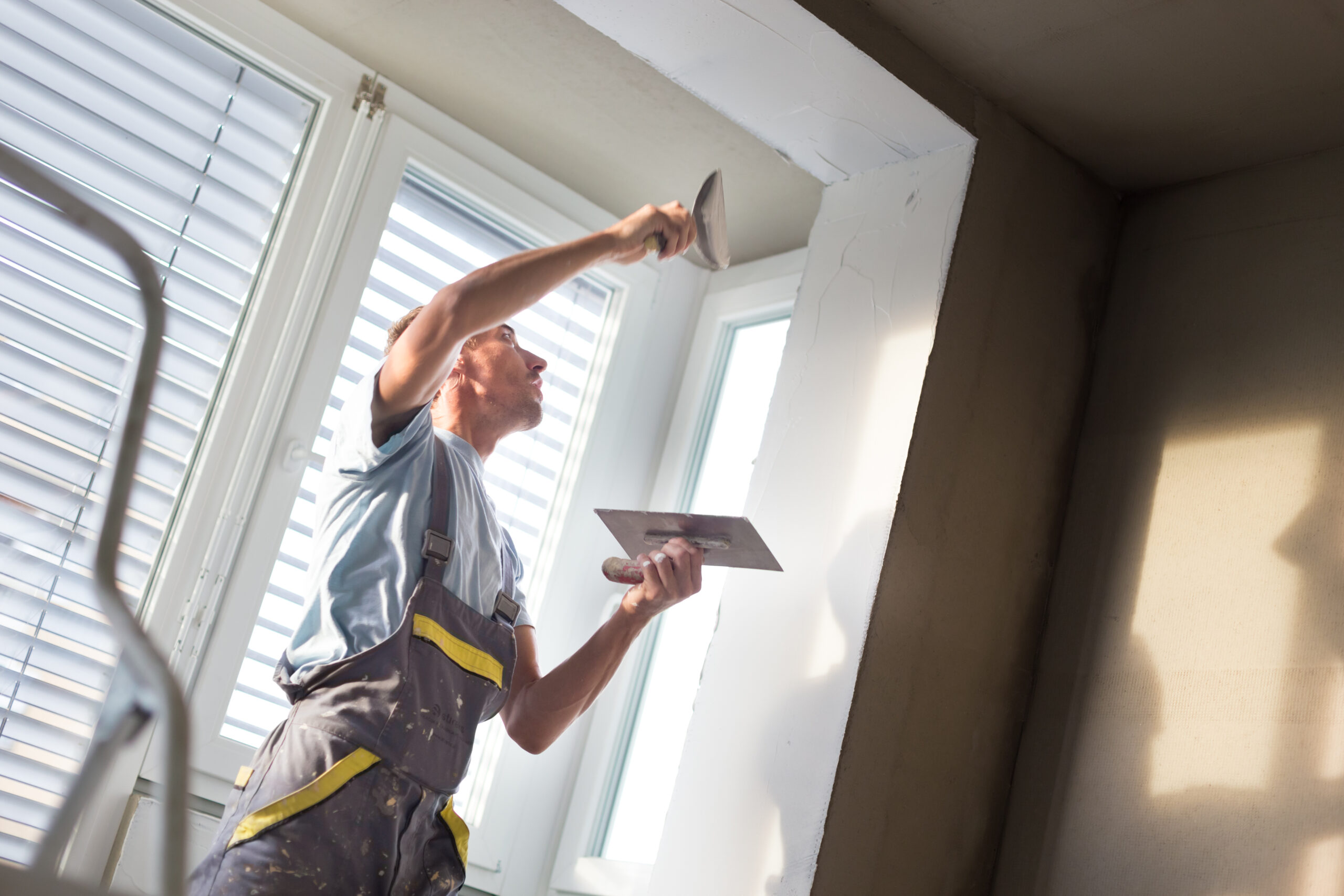
When working at elevations, certify that ladders are longstanding, strong, and on a flat surface. Follow the ladder’s safety guidelines to avoid falls or other accidents.
Ventilation:
Plastering often generates dust and fumes from materials. The work area must be well-ventilated to reduce exposure to airborne units and preserve a healthy environment.
Material Handling:
Handle plaster bags carefully to avoid lifting injuries. Use proper lifting techniques or get assistance when dealing with heavy materials.
Understand Different Plaster Types
Not all plaster is formed equal, and knowing the accurate type for reliable projects is vital for execution and durability.
Gypsum Plaster:
Gypsum plaster is frequently used for ceilings and internal walls. It is acknowledged for its effortless finish and quick-setting properties, making it perfect for areas that want a neat and clean look.
Lime Plaster:
Lime plaster is breathable and adaptable, making it appropriate for oldest buildings with humid complications. It prevents moisture from getting trapped, reducing the risk of mold and structural damage.
Cement Plaster:
Cement plaster is more long-lasting and weather-resistant than plaster and is best fitted for exterior walls. It is also suitable for areas with high humidity, like basements and bathrooms.
Decorative Plaster:
For an extra aesthetic touch, consider using decorative methods like Venetian plaster or stucco. These methods add texture and elegance to the walls, enhancing the visual appeal.
Conclusion:
Whether you are an expert plasterer or a DIY supporter, following these rules will help you achieve a charming and hard-wearing plaster finish, boost your skills, and certify a healthier work environment. Judge Plastering Contractors delivers high-quality craftsmanship for residential and commercial properties. With an expert team of knowledgeable plasterers, they offer many services, including internal and external plastering, skimming, rendering, and decorative surfaces.