LASIK eye surgery has revolutionized vision correction, providing a solution for millions of people struggling with refractive errors. While its success depends largely on the health and thickness of the cornea, eye color, especially in green brown eyes, can also subtly affect LASIK candidacy even though eye color doesn’t directly determine your eligibility for LASIK of course, but is associated with factors such as light sensitivity , iris pigmentation and treatment response All results can be stated here at LASIK surgery considered in the How do green and blue eyes work?
Understanding LASIK and Its Requirements
LASIK (Laser-Assisted In Situ Keratomileusis) is a precision procedure in which an excimer laser reshapes the cornea to improve vision. To qualify for LASIK, a patient must meet a number of criteria, including astigmatism, macular degeneration, and the absence of severe eye disease. Although factors such as visual health and fitness prescriptions are the primary considerations, subtle factors such as eye color can affect comfort and convenience during surgery
Eye color, which is determined by the amount and quality of melanin in the eye, can indirectly influence LASIK candidacy. Green eyes have different levels of melanin, affecting light sensitivity and treatment response—two things surgeons look for when looking for LASIK
The Role of Melanin in Green and Brown Eyes
Green Eyes: The Rarest Iris Color
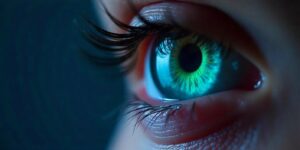
Green eyes are rare, and that and the unique effect of light splashing on the eyes comes from low levels of melanin. People with green brown eyes tend to be more sensitive to bright lights because their irises lack the melanin needed to block excess sunlight. This sensitivity may make them slightly more sensitive to light disturbance during and after LASIK.
In LASIK, the laser improves eye alignment, exposing patients to intense light for a short period of time. Green eyes heighten emotion at this time. After surgery they can be more susceptible to light and halos at night, making appropriate follow-up care and sunglasses necessary to control light exposure and ensure they they will be very comfortable
Brown Eyes: Abundant Melanin and Resilience
Brown eyes, the most common globally, are rich in melanin. This natural pigment provides better protection against UV rays and reduces light sensitivity. As a result, individuals with brown eyes typically experience less discomfort from bright lights during LASIK.
The abundant melanin in brown eyes can also contribute to a more stable healing process. This pigment helps minimize post-operative issues, such as glare and halos, ensuring quicker adaptation to the corrected vision. While brown-eyed patients may still face standard LASIK risks, their melanin-rich irises offer a protective advantage that eases light-related symptoms.
Healing and Post-Operative Considerations
Green Eyes: Slower Adaptation to Light
After LASIK, patients with green brown eyes may take longer to adjust to varying light conditions due to their heightened sensitivity. The lack of protective melanin makes them more vulnerable to issues like photophobia (light sensitivity) during the initial healing phase. Surgeons may recommend specialized lubricating drops, anti-glare glasses, or a slower return to outdoor activities to reduce discomfort.
Brown Eyes: Faster Recovery and Comfort
Blue-eyed individuals generally report fewer light problems during recovery. Their high melanin levels act as a natural barrier, allowing them to easily adapt to the post-surgical environment. Although postoperative guidelines still need to be followed, blue-eyed patients tend to have less relief and adjust better to their new vision
Factors Beyond Eye Color in LASIK Candidacy
It’s important to note that eye color is just one of many factors surgeons consider when determining LASIK eligibility. Other critical aspects include:
- Corneal Thickness: Sufficient corneal tissue is necessary for safe reshaping during LASIK.
- Prescription Stability: Candidates must have a stable prescription for at least a year.
- Dry Eye Syndrome: Pre-existing dryness can complicate healing and must be managed before surgery.
- Overall Eye Health: Conditions like glaucoma or cataracts may disqualify candidates.
Surgeons use comprehensive evaluations to ensure each patient’s unique anatomy and medical history align with LASIK requirements, making eye color a secondary but noteworthy consideration.
Enhancing Outcomes with Proper Care
Green- and blue-eyed patients can also optimize their LASIK results with proper preparation and follow-up care. It is important to follow the surgeon’s instructions, e.g.
Prescription eye drops are used to maintain moisture and reduce inflammation.
Wearing UV protective glasses to protect sensitive eyes from sunlight.
Avoid screen time and strenuous activities during early recovery.
This step ensures a smooth treatment and maximizes the benefits of LASIK regardless of eye color.
Ending: Does Eye Color Matter?
Although green brown eyes exhibit specific characteristics that can affect LASIK candidacy and recovery, these differences are small in the broader context of the LASIK study Surgeons focus on medical composition so especially in determining eligibility. But understanding how melanin interacts with light sensitivity and LASIK can help patients anticipate potential complications and prepare for a successful outcome
If you are considering LASIK and want to know how your eye color may affect your experience, consult a qualified ophthalmologist. Individual assessment ensures that each patient—green-eyed or brown-eyed—receives the best care for his or her needs.