Signs You Need Main Sewer Line Repair
It’s very important to recognize the signs that indicate there may be an issue with your main sewer line. Catching the problem early can help you avoid costly repairs and further damage to your home. Here are some common signs it’s time to call a plumber for main sewer line repair:
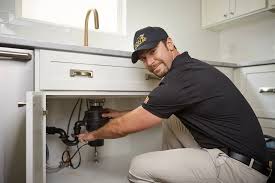
Frequent Clogs
If you are having repeated blockages in many drains all at once-sink, toilet, and bathtub-the problem could be with your main sewer line. If the sewer line becomes blocked, the water backs up and causes many drains to clog all at once.
Slow Draining
Other less common signs of a sewer line problem include slow draining from sinks, tubs, or toilets. If the water doesn’t drain well and you have a persistent problem, it may be because something is obstructing the main sewer line.
Sewage Backup
Sewage backing up into your home is a surefire sign that something is wrong with your sewer line. If you see raw sewage coming up from the floor drains, toilets, or sinks, this is an emergency that needs immediate repair.
Foul Odors
If you begin to notice strong, repulsive sewage odors in the general vicinity of your home, it’s because there’s a blockage or break in your main sewer line. The smell may originate from sewage backup or waste leakage into the surrounding area.
Lush Patches in Your Yard
Other symptoms of a broken sewage line are suspiciously green or healthier spots in your lawn, specifically around where the sewer line is buried. This might indicate that waste is seeping from the pipe and serving as fertilizer to your grass.
Gurgling Noises
Gurgling noises coming from drains or toilets can indicate a blockage in your main sewer line. These noises are caused by trapped air trying to escape the line as water moves through it.
Common Causes of Main Sewer Line Problems
Understanding what causes sewer line issues can help you prevent them in the future. Here are some of the most common causes of damage to main sewer lines:
Tree Root Intrusion
Tree roots are among the leading causes of sewer line damage. Roots naturally seek out water, and if they find a crack or joint in your sewer line, they can infiltrate the pipe and grow into it, causing blockages or even pipe breaks. This is more common in older homes with either clay or cast-iron pipes.
Pipe Corrosion and Aging Pipes
Older homes may have plumbing pipes made from materials such as cast iron or clay, which are more susceptible to corrosion and deterioration over time. As these pipes corrode, they become more prone to damage, including cracks and leaks.
Improper Installation
Apart from this, the main sewer line may have developed problems a little later if it was not installed properly in the very first place. Poor installation may lead to issues like improper slope, weak connections, or misalignment that may lead to leaks and clogs over time.
Clogs and Debris
With time, grease, soap, hair, food particles, along with other debris accumulate in your pipes and cause clogs. These clogs result in the pressure on pipes that results in leaks, cracks, or a complete rupture in the sewer line.
Seismic Shifts and Ground Movement
Seismic activity in earthquake-prone areas can cause damage to sewer lines. Soil movement can cause misalignment of pipes, crack, or break them completely.
Smaller Pipes
Your sewer line may have been designed for a smaller household or lower volume of wastewater. The daily demands of modern life could overwhelm your sewer line and create clogs and backups.
Main Sewer Line Repair Options
There are a number of repair options when your main sewer line is damaged. Your plumber will assess the severity of the damage and recommend one approach over another. Here’s a rundown of the common methods of main sewer line repairs:
Traditional Trenching and Excavation
Pros:
It allows for direct access to the problem pipe.
Appropriate in conditions where the pipes have collapsed or are severely damaged.
Cons:
Disruptive and invasive.
Expensive, especially if landscaping or structures need to be dug up.
Trenchless Sewer Repair
Trenchless technology is less invasive, faster, and often cheaper than repairing sewer lines by digging them up. The two main types of repairs available with trenchless repairs include pipe bursting and pipe lining.
Pipe Bursting is where a new pipe is pulled through an existing damaged pipe, which bursts apart as the new one is pushed through.
Pipe Lining:
Insert a flexible liner coated with epoxy into the damaged pipe, inflate, and create a new pipe inside the old one. Pros include less invasive and disruptive, often quick-one-day jobs, and does not damage landscaping or other structures.
Cons include:
Possibly not suitable for seriously damaged or collapsed pipes and can be more expensive for minor issues than the traditional repair method. 3. Spot Repair
Spot repair is utilized for areas that are small and confined to one location. Instead of the whole pipe, only a section of the affected pipe is repaired or replaced. This is normally done on minor cracks or leaks.
Pros:
Less expensive than an outright replacement
Less interference with your property
Cons:
Only works on very small sections of damage.
Might not catch deeper issues in the entirety of the pipe.
Sewer Line Damage Prevention
While you can’t control everything that happens with your sewer line, there are some steps you can take to reduce the risk of major damage:
Regular Maintenance:
Schedule periodic inspections and cleaning of your sewer lines to catch potential problems early.
Avoid Flushing Non-Flushable Items:
Never flush items like wipes, grease, or paper towels, as these can clog the system.
Landscaping Caution: Avoid planting large trees or shrubs near your sewer line to reduce the risk of root intrusion.
Conclusion
Main sewer line repair is a very important service to consider for homeowners, as an issue with this system could mean serious and costly damage. By recognizing the signs that indicate sewer line problems and understanding the causes and options for repair, you can take steps to protect your home’s plumbing system. Whether you need a standard repair or a more complex trenchless solution, taking the time to hire a professional plumber will pay dividends in the functionality of your sewer line for years to come. If any of the above signs and symptoms seem to be occurring, do not hesitate to call a licensed plumber who can evaluate your sewer line and make the repairs needed.