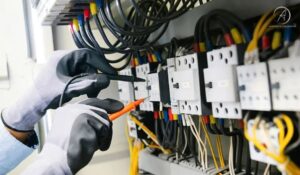
When it comes to modern infrastructure, few elements are as critical — and as overlooked — as the electrical installation of a building. Whether in a residential home, a commercial office tower, or an industrial facility, the integrity of the electrical system determines not only the functionality of the space but also its safety and sustainability. In today’s rapidly evolving world of construction and technology, building electrical installation is no longer just about laying wires and installing switches. It’s about integrating smart technologies, ensuring regulatory compliance, and designing for energy efficiency from the ground up.
Understanding the Basics of Electrical Installation
Before delving into emerging trends and challenges, it’s important to understand what building electrical installation entails. At its core, it refers to the design and implementation of electrical systems within a structure. This includes power supply and distribution, lighting systems, emergency power systems (like generators and battery backups), grounding systems, and more.
A proper installation requires meticulous planning and must take into account the building’s layout, purpose, and projected energy usage. A poorly designed electrical system can lead to operational inefficiencies, frequent outages, or even pose life-threatening hazards like electrical fires or electrocution.
Key Components of a Building Electrical System
Every electrical installation consists of several core components, each playing a vital role in the system’s reliability and safety:
-
Service Equipment: This includes the main electrical panel, circuit breakers, fuses, and disconnects. It controls and distributes power to different parts of the building.
-
Wiring and Cabling: These are the “arteries” of the system, carrying electricity to all connected devices and systems.
-
Lighting Systems: Both interior and exterior lighting are connected to the electrical infrastructure, requiring careful planning for efficiency and aesthetics.
-
Grounding and Bonding Systems: These systems protect against electrical shocks and equipment damage by safely directing fault currents into the earth.
-
Backup Power Solutions: From UPS systems to diesel generators, modern installations often include contingencies for power outages.
-
Smart Controls: Modern systems are increasingly incorporating smart meters, sensors, and IoT-based automation to manage energy use.
Importance of Compliance and Safety Standards
The electrical system of a building is not just a technical requirement — it’s a legal one. Building codes and standards such as the NEC (National Electrical Code in the U.S.), IEC standards internationally, and various local municipal guidelines dictate how installations must be designed and executed. Compliance with these codes isn’t optional — it’s essential.
Failure to meet regulatory standards can result in heavy penalties, rejected permits, or worse, dangerous conditions that could lead to injury or death. For these reasons, licensed and certified electricians should always be entrusted with major installation projects.
Innovations Transforming Electrical Installation
Advancements in technology are revolutionizing the way we approach electrical installations in buildings. Here are a few of the most exciting developments:
1. Smart Grid Integration
Smart grids allow for two-way communication between electricity providers and consumers. Buildings equipped with smart electrical systems can optimize energy consumption in real time, reducing costs and improving sustainability.
2. Building Automation Systems (BAS)
Modern installations frequently integrate BAS to control lighting, HVAC, and security systems. These automated systems are often connected via centralized control panels or cloud-based software, allowing facility managers to monitor and manage usage remotely.
3. Renewable Energy Integration
Solar panels, wind turbines, and other renewable sources are increasingly being tied directly into the building’s electrical grid. These systems often require specialized inverters, storage solutions, and control mechanisms to ensure stable and safe power distribution.
4. Modular and Prefabricated Systems
Electrical installation is becoming faster and more standardized with prefabricated wiring systems and modular switchgear. These systems are manufactured off-site and then installed in a fraction of the time, reducing labor costs and project delays.
The Role of Energy Efficiency
With rising energy costs and growing environmental awareness, energy efficiency has become a key concern in building electrical installation projects. Energy-efficient design not only lowers utility bills but also reduces carbon emissions. Here are a few strategies often employed:
-
LED Lighting: Replacing traditional bulbs with LEDs can cut lighting costs by up to 80%.
-
Motion Sensors and Timers: These devices reduce waste by ensuring lights and appliances are only on when needed.
-
Energy Management Software: These tools allow building managers to track usage patterns and identify opportunities for savings.
Challenges in Modern Electrical Installation
While technology has brought tremendous benefits, it has also introduced new complexities. Some of the major challenges include:
-
System Overload: With the increasing use of electronic devices and systems, older buildings often face issues with overloaded circuits.
-
Cybersecurity Risks: As more systems go online, they become vulnerable to cyberattacks that could disrupt operations or compromise safety.
-
Skilled Labor Shortages: There is a growing gap between demand for skilled electricians and those entering the profession.
-
Sustainability Requirements: New green building certifications (like LEED or BREEAM) impose strict requirements that must be incorporated from the design phase.
Best Practices for Successful Installation
To ensure a safe, efficient, and future-proof electrical system, consider these best practices:
-
Early Planning: Electrical design should be integrated into the early stages of building planning to avoid costly revisions later.
-
Hire Certified Professionals: Use only licensed electricians and engineers who understand local codes and international standards.
-
Use Quality Materials: Investing in high-quality cables, switches, and circuit breakers will pay off in the long run.
-
Document Everything: Maintain thorough documentation of the system, including diagrams, load calculations, and maintenance logs.
-
Regular Maintenance and Inspections: Preventive maintenance is essential to identify potential issues before they become dangerous or expensive.
The Road Ahead: Smarter, Greener, Safer
The future of building electrical installation services lies in intelligent integration, sustainability, and safety. As buildings become smarter and more connected, electrical systems must evolve to meet the increasing demands placed upon them.
New building projects are not just being constructed — they’re being designed as living ecosystems that respond to their occupants’ needs and adapt over time. The electrical installation forms the nervous system of these smart structures, connecting everything from lighting to data centers to EV charging stations.
For building owners, architects, and facility managers, understanding and investing in modern electrical systems is no longer optional — it’s a cornerstone of operational success and sustainability.