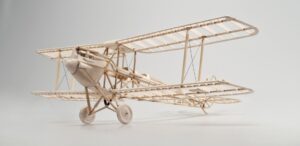
Aviation enthusiasts and collectors often seek ways to celebrate the incredible history of flight. One of the most captivating ways to do this is by owning and building wooden aircraft models. These models are more than just miniature versions of real airplanes—they are intricate works of art that combine craftsmanship, history, and a deep appreciation for aviation. In this blog, we’ll explore the world of wooden aircraft models, why they stand out from other aircraft models, and how they’ve captured the hearts of collectors worldwide.
What Are Wooden Aircraft Models?
Wooden aircraft models are detailed replicas of real-life planes, handcrafted from wood. The materials used often include balsa wood, plywood, and other high-quality woods that provide both durability and flexibility. These models range from simple representations of airplanes to highly detailed versions that capture the exact shape, size, and color of iconic aircraft.
Unlike mass-produced aircraft models made of plastic or metal, wooden aircraft models are often individually crafted by artisans. The result is a one-of-a-kind piece, making these models highly valued among collectors and enthusiasts.
Why Choose Wooden Aircraft Models?
- Superior Craftsmanship and Detail
The craftsmanship that goes into each wooden aircraft model is one of the key reasons why they are so highly regarded. Unlike plastic models, which are often mass-produced and lack uniqueness, wooden models are painstakingly hand-carved, assembled, and painted. The attention to detail in these models is exceptional. From the curves of the fuselage to the intricate wings and propellers, every part is carefully crafted to replicate real aircraft.
This level of detail makes wooden models a favorite among collectors who appreciate fine craftsmanship. Whether it’s a vintage World War II plane or a modern commercial jet, every aircraft model tells a story through its design and the skill of its maker.
- Timeless Aesthetic Appeal
Another reason why wooden aircraft models are so popular is their aesthetic appeal. Wood has a natural elegance and warmth that plastic and metal simply can’t replicate. The grains and textures of the wood make these models look like works of art, not just toys or replicas.
Wooden models also have a timeless quality that adds sophistication to any space. Whether displayed in an office, living room, or collector’s display case, these models stand out as eye-catching pieces of decor. Their natural finish gives them an organic charm, and they often improve with age, becoming even more valuable as time passes.
- Durability and Longevity
Unlike plastic aircraft models that may deteriorate over time, wooden aircraft models are incredibly durable. The wood used in these models is tough and can withstand wear and tear. With proper care and maintenance, these models can last for decades, making them an excellent investment for those who are serious about collecting.
The longevity of these models means they’re not only enjoyable to build and display, but they can also be passed down from generation to generation, continuing to inspire future aviation enthusiasts.
Types of Wooden Aircraft Models
Just like aircraft models made from other materials, wooden models come in various types and complexities. Here are some of the most popular categories of wooden aircraft models:
- Beginner Wooden Models
For newcomers to the world of model aircraft, beginner kits are the ideal starting point. These models are designed with ease of assembly in mind, featuring fewer pieces and simpler structures. Popular beginner models might include small propeller planes or classic aircraft from the early days of flight, such as the Wright Flyer or simple biplanes.
These kits usually come with pre-cut wooden parts, so hobbyists don’t need to carve every piece from scratch. They’re perfect for learning the basics of model-building while still offering a rewarding experience.
- Intermediate Wooden Aircraft Models
As you gain experience, you can move on to intermediate models. These kits typically feature more detailed designs and require more time and skill to complete. Aircraft like World War II fighter planes or vintage commercial airliners often fall into this category.
Intermediate wooden aircraft models might include more advanced features, such as movable parts or enhanced detailing, making them more challenging to build and perfect for collectors looking to improve their skills.
- Advanced Wooden Aircraft Models
For expert builders, advanced wooden aircraft models offer the ultimate challenge. These models may include hundreds of pieces and require weeks or even months to complete. They often replicate iconic planes like the Boeing 747, B-17 Flying Fortress, or the Concorde in intricate detail.
Building advanced models involves precise craftsmanship, from assembling complex structures to adding detailed finishing touches like decals, weathering effects, and realistic paint jobs. These models are a rewarding pursuit for experienced hobbyists who are ready for the challenge.
The Process of Building Wooden Aircraft Models
Building wooden aircraft models is a rewarding and satisfying experience. While the process may vary depending on the complexity of the model, the general steps are fairly consistent. Here’s a basic overview:
Step 1: Choose Your Model
Start by selecting a wooden aircraft model that suits your skill level. Beginners should start with simpler kits, while advanced modelers can tackle more complex projects. Take the time to choose a model that excites you and fits your interests.
Step 2: Gather Tools and Materials
For a successful build, you’ll need some basic tools, including:
- A hobby knife or scissors for cutting out parts
- Sandpaper for smoothing rough edges
- Wood glue for assembly
- Paint and brushes for finishing
- Clear varnish or lacquer for protection
Make sure you have everything you need before starting your project.
Step 3: Assemble the Model
Begin by following the instructions to assemble the larger components, like the wings and fuselage. Work your way through the model, carefully gluing each part in place and ensuring they align correctly. Take your time, and don’t rush the assembly process.
Step 4: Paint and Detail
Once your model is assembled, it’s time to paint. Research the aircraft you’re replicating to ensure the colors are accurate. After painting, add finishing touches like decals, cockpit details, and weathering effects to make your model look as realistic as possible.
Step 5: Final Finish
Finally, once everything is dry, apply a layer of varnish or clear coat to protect your work and add a glossy finish. This will also ensure that the model’s paint job stays intact over time.
Why Collect Wooden Aircraft Models?
Wooden aircraft models are more than just collectible items; they represent a connection to aviation history. Collectors often seek models that commemorate significant moments in flight, such as the first flight of the Wright Brothers or the iconic fighter planes of World War II.
These models also offer an educational experience, teaching modelers about the engineering and design behind aircraft. As a hobby, building and collecting wooden models can improve your understanding of aerodynamics, history, and craftsmanship.
Conclusion
Whether you’re an avid aviation fan, a seasoned model builder, or someone simply looking for a unique and timeless decor piece, wooden aircraft models offer something special. Their exceptional craftsmanship, durability, and connection to aviation history make them a must-have for anyone passionate about flight. With various models available for all skill levels, there’s a wooden aircraft model for every enthusiast to enjoy.
Start building your collection today and bring a piece of aviation history to your home with a wooden aircraft model that will last for generations.